INTIA Living Lab - SPAIN

Name / Location
Navarre Region, Spain
Lead Partner
Instituto Navarro de Tecnologías e Infraestructuras Agroalimentarias (INTIA)
INTIA
Agroecological Zone
Mediterranean–Continental transition
Climate Type
Temperate Mediterranean with continental influence
Legumes Tested
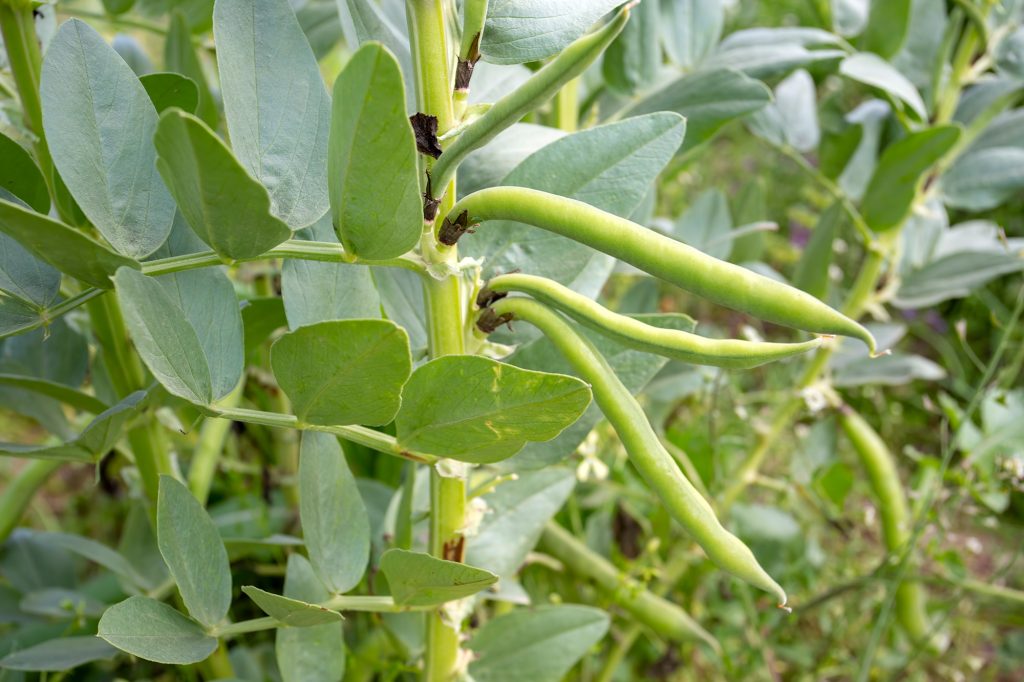
  • Faba bean (Vicia faba) – annual grain legume
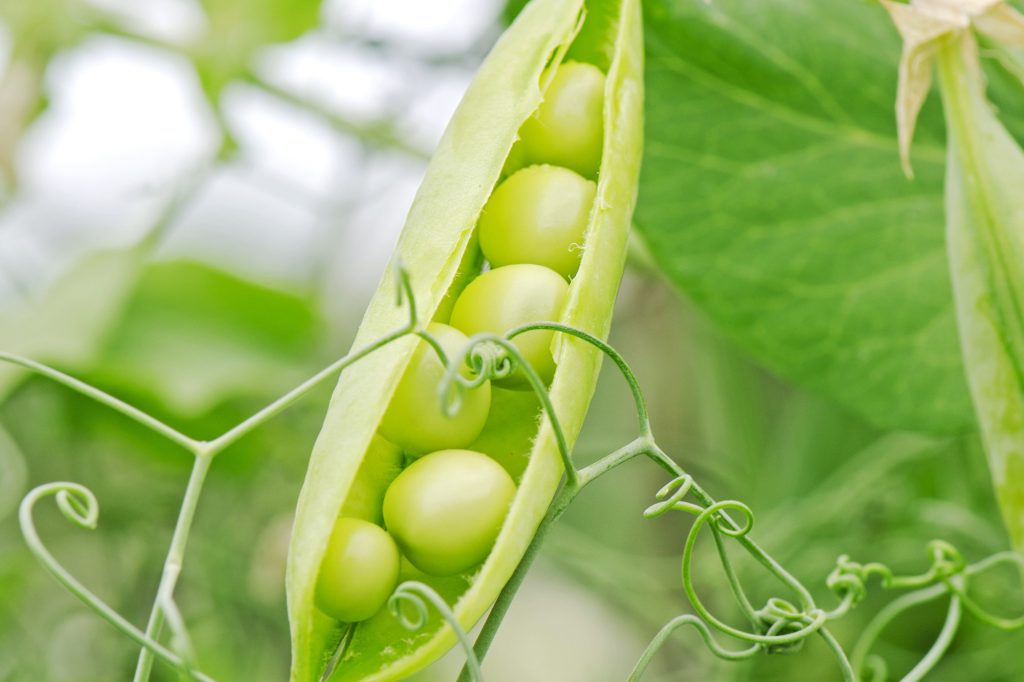
  • Pea (Pisum sativum) – annual grain legume
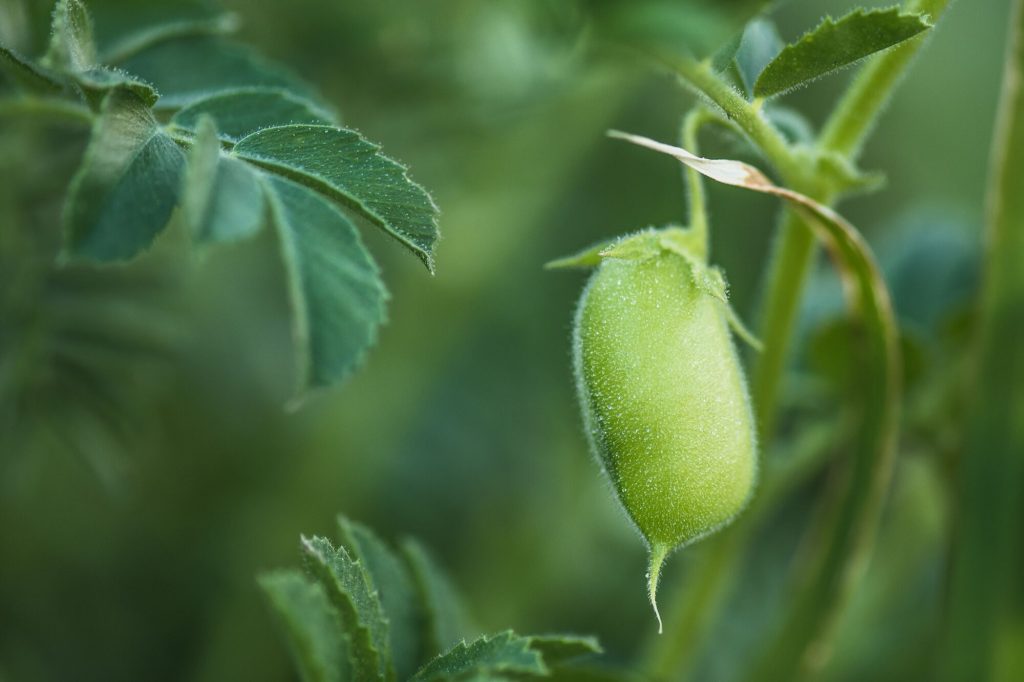
  • Chickpea (Cicer arietinum) – annual grain legume
Cropping System Type
Diversified cereal–legume rotations with different weeding systems.
Agroecological Practices Applied
  • Mechanical weeding
  • Diversified crop rotations
Living Lab Board Composition
Farmers, advisors, researchers, regional authorities and agri-food stakeholders (10 members)
Duration of Field Trials
3 growing seasons
Key Ecosystem Services Targeted
  • Biological nitrogen fixation
  • Weed suppression
  • Soil fertility improvement
  • Reduced pesticide and fertilizer dependency

Overview

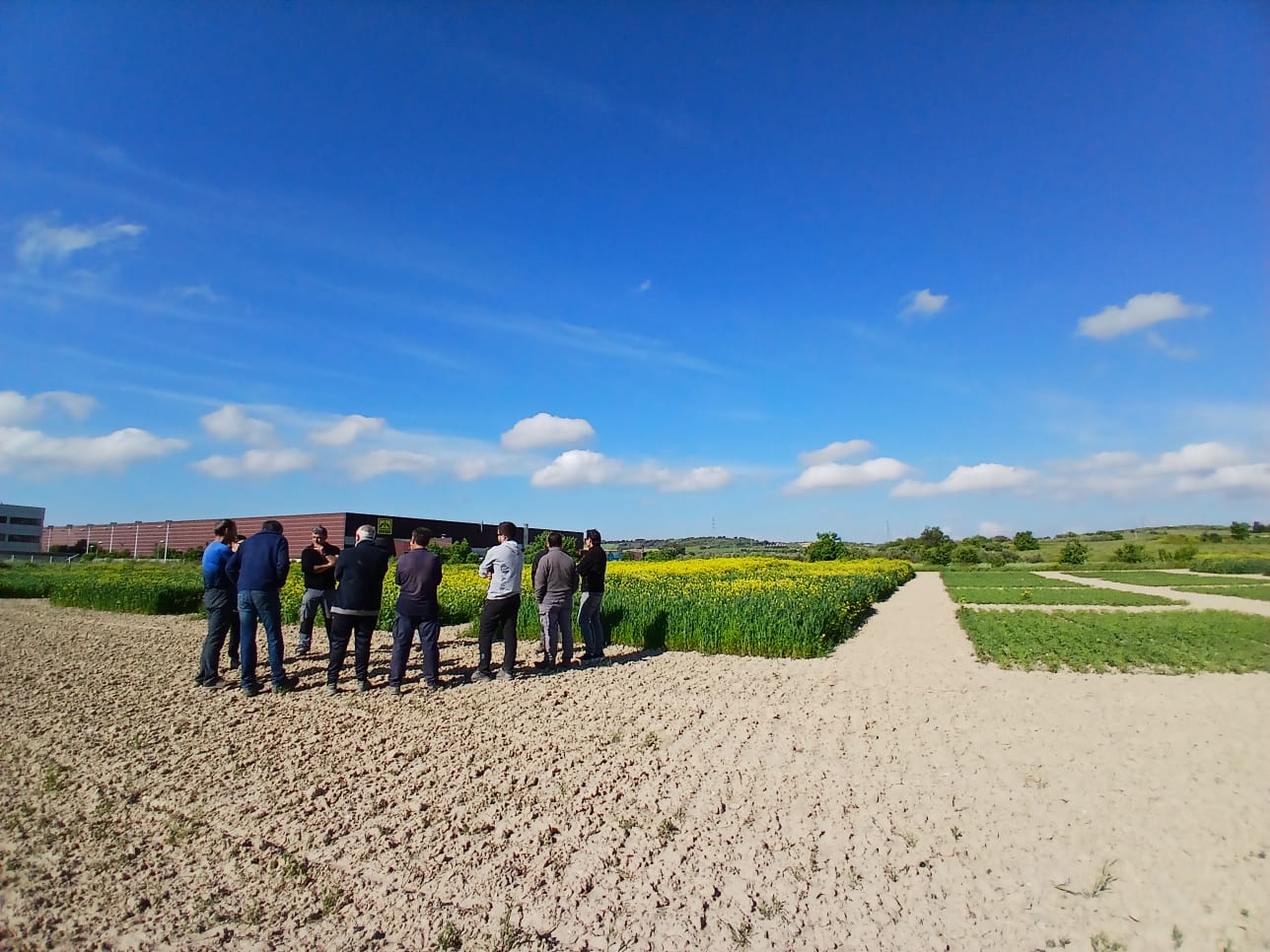
The Spanish Living Lab, coordinated by Instituto Navarro de Tecnologías e Infraestructuras Agroalimentarias (INTIA), operates in the Navarre region, where cereal-based systems dominate and water availability is increasingly variable.

The Living Lab focuses on the integration of multiple grain legumes—faba bean, pea and chickpea—into diversified rotations. Emphasis is placed on combining legumes with mechanical weed management and direct seeding techniques to reduce chemical inputs while maintaining productivity.

By generating field-based evidence under Mediterranean–continental conditions, the Spanish LL supports CAP objectives related to crop diversification, pesticide reduction and sustainable soil management.

Faba bean (Vicia faba)
Pea (Pisum sativum)
Chickpea (Cicer arietinum)

Main Challenges

Arable farming systems in northern Spain face a range of agronomic and environmental pressures:

  • Simplified cereal-based rotations
  • Increasing weed pressure and herbicide dependency
  • Soil fertility declines in intensively managed systems
  • Water stress and climate variability
  • Economic uncertainty linked to input costs

These challenges limit the ecological performance and long-term sustainability of regional farming systems.

Legume-Based Response

Agroecological Strategy

The INTIA Living Lab promotes diversified legume integration through:

  • Inclusion of multiple grain legume species in rotations
  • Mechanical weed management as an alternative to herbicides

This integrated approach enhances ecosystem service delivery while supporting input reduction.

Cropping Systems Demonstrated

Indicative rotation schemes include:

  • The Living Lab evaluates:
  • Nitrogen fixation efficiency
  • Yield stability and grain quality
  • Weed community composition and suppression
  • Soil fertility indicators
  • Economic feasibility of diversified systems

Data collection follows harmonized VALERECO protocols to ensure comparability across Living Labs.

Demonstration & Co-Creation

The Spanish Living Lab operates as a structured multi-actor innovation platform engaging:

  • Arable farmers experimenting with legume diversification
  • Agronomic advisors supporting mechanical weed strategies
  • Researchers conducting agronomic and ecological assessments
  • Regional authorities contributing to CAP alignment

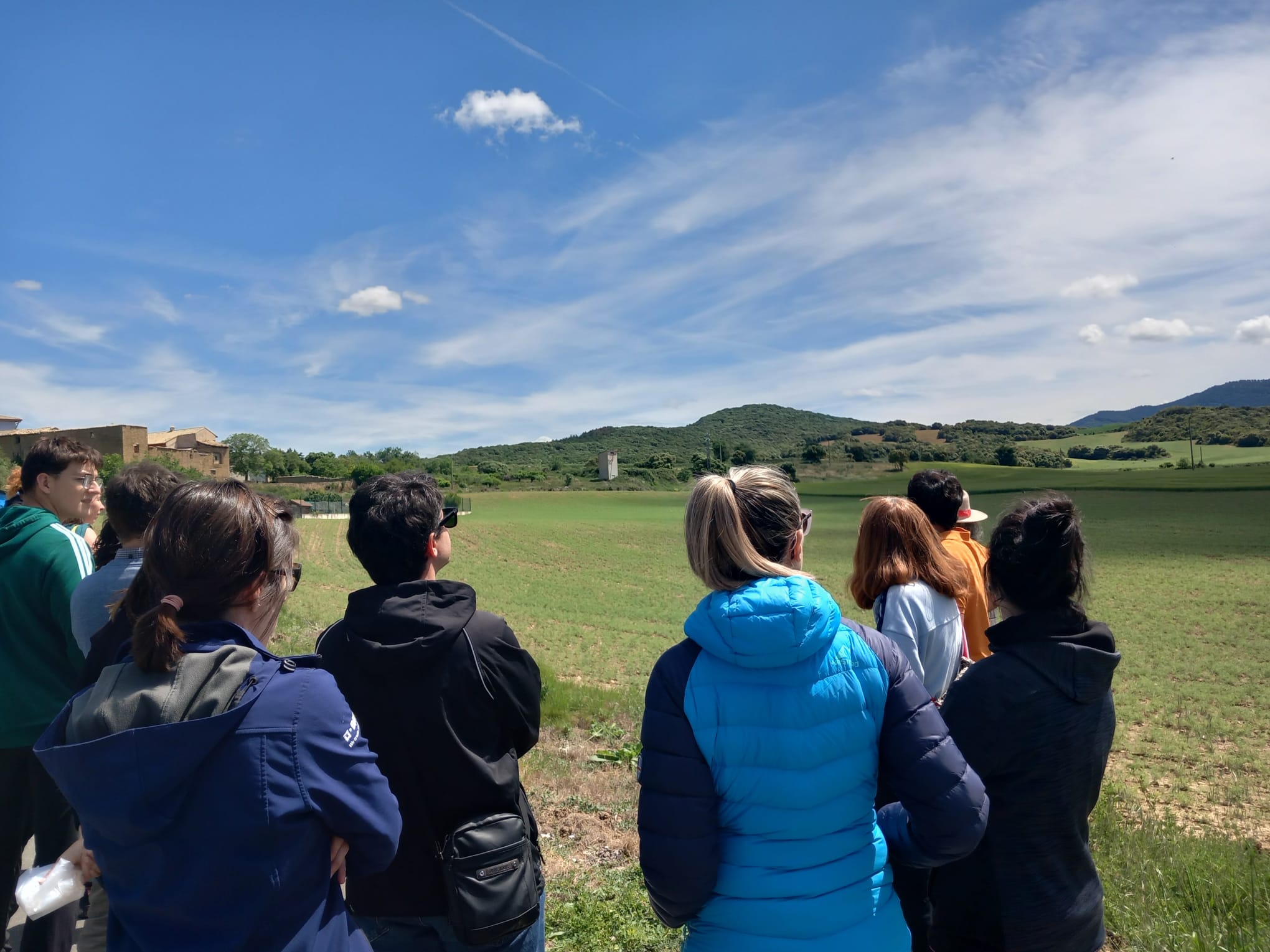
Demonstration of events and technical meetings allows stakeholders to assess performance under practical farming conditions and validate adoption pathways.

The evidence generated supports:

  • Cost–benefit analysis of legume integration
  • Life Cycle Assessment (LCA)
  • Calibration of the Decision Support System (DSS)
  • Development of policy recommendations at regional and EU level

Expected Impact

The Spain (INTIA) Living Lab contributes to:

  • Reduced reliance on synthetic nitrogen fertilizers
  • Improved soil fertility
  • Enhanced resilience of Mediterranean–continental farming systems
  • Strengthened economic sustainability of diversified rotations

By combining multiple grain legumes with innovative management practices, this Living Lab demonstrates scalable pathways towards sustainable intensification in Southern European arable systems.