WR Living Lab - Netherlands

Name / Location
Arable farming region, The Netherlands
Lead Partner
DELPHY
DELPHY
Agroecological Zone
Temperate Atlantic
Climate Type
Temperate Oceanic
Legumes Tested
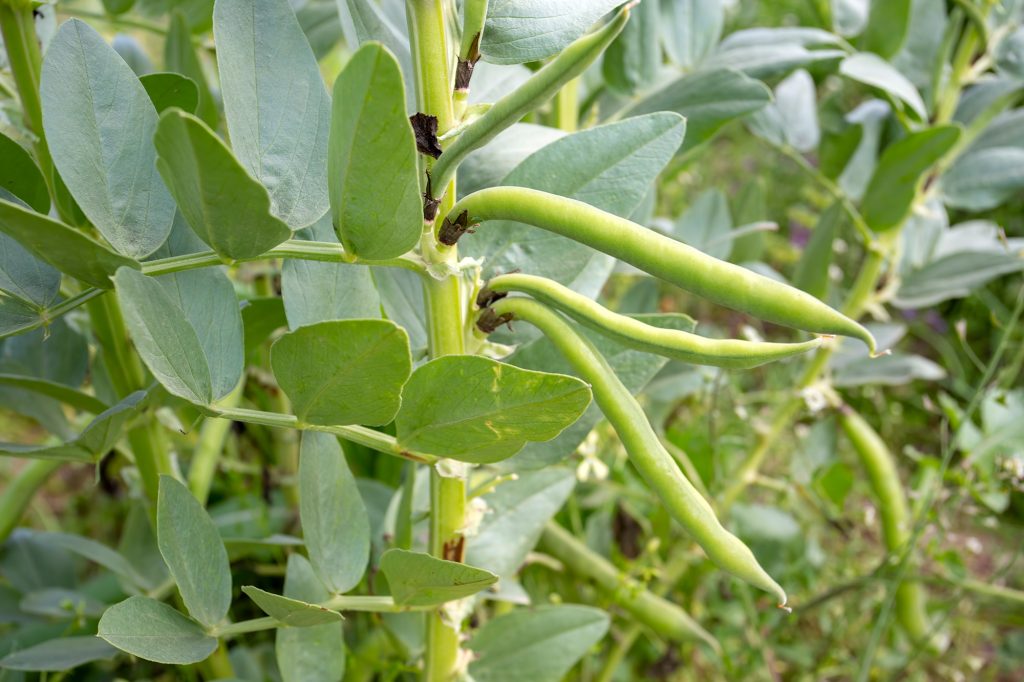
  • Faba bean (Vicia faba) – annual grain legume
  • Lupin (Lupinus spp.) – annual grain legume
Cropping System Type
Diversified arable crop rotations with intercropping and cover cropping
Agroecological Practices Applied
  • Genotype selection
  • Intercropping (grain legumes with cereals)
  • Cover cropping
  • Diversified rotations including grain legumes
Living Lab Board Composition
Farmers, crop advisors, researchers, agri-food stakeholders and regional actors (10 members)
Duration of Field Trials
3 growing seasons
Key Ecosystem Services Targeted
  • Biological nitrogen fixation
  • Reduced mineral fertiliser dependency
  • Weed suppression
  • Yield diversification and protein production
  • Soil fertility enhancement

Overview

The Dutch Living Lab coordinated by DELPHY focuses on integrating annual grain legumes—faba bean and lupin—into intensive arable systems.

In a context where protein crops are largely imported and rotations are dominated by cereals and root crops, this Living Lab explores how locally grown grain legumes can strengthen nitrogen cycling, enhance crop diversification and contribute to European protein autonomy.

By testing intercropping strategies and covering cropping combinations, the Lab generates practical, field-based evidence to support economically viable legume integration in high-productivity systems.

Faba bean (Vicia faba)
Lupin (Lupinus spp.)

Main Challenges

Dutch arable systems face structural and market-related challenges:

  • High reliance on imported protein crops
  • Limited inclusion of grain legumes in crop rotations
  • Strong dependency on mineral nitrogen fertilisers
  • Weed pressure in simplified cereal systems
  • Market uncertainty for domestic legume production

These constraints hinder diversification and slow the transition towards more resilient cropping systems.

Legume-Based Response

Agroecological Strategy

The DELPHY Living Lab promotes annual grain legumes as key diversification crops through:

  • Intercropping systems combining faba bean or lupin with cereals
  • Cover cropping strategies to improve nitrogen retention
  • Genotype evaluation to optimise adaptation to Dutch climatic conditions
  • Rotation redesign incorporating protein crops

This approach enhances nitrogen fixation while reducing input dependency and improving rotation performance.

Cropping Systems Demonstrated

Indicative rotation schemes include:

  • Faba bean → Wheat → Lupin
  • Grain legume–cereal intercropping systems

The Living Lab evaluates:

  • Nitrogen fixation efficiency and transfer
  • Yield performance and grain quality
  • Weed suppression capacity
  • Soil fertility indicators
  • Economic viability of protein crop inclusion

Data collection follows harmonised protocols to support agronomic, environmental and economic assessments within VALERECO.

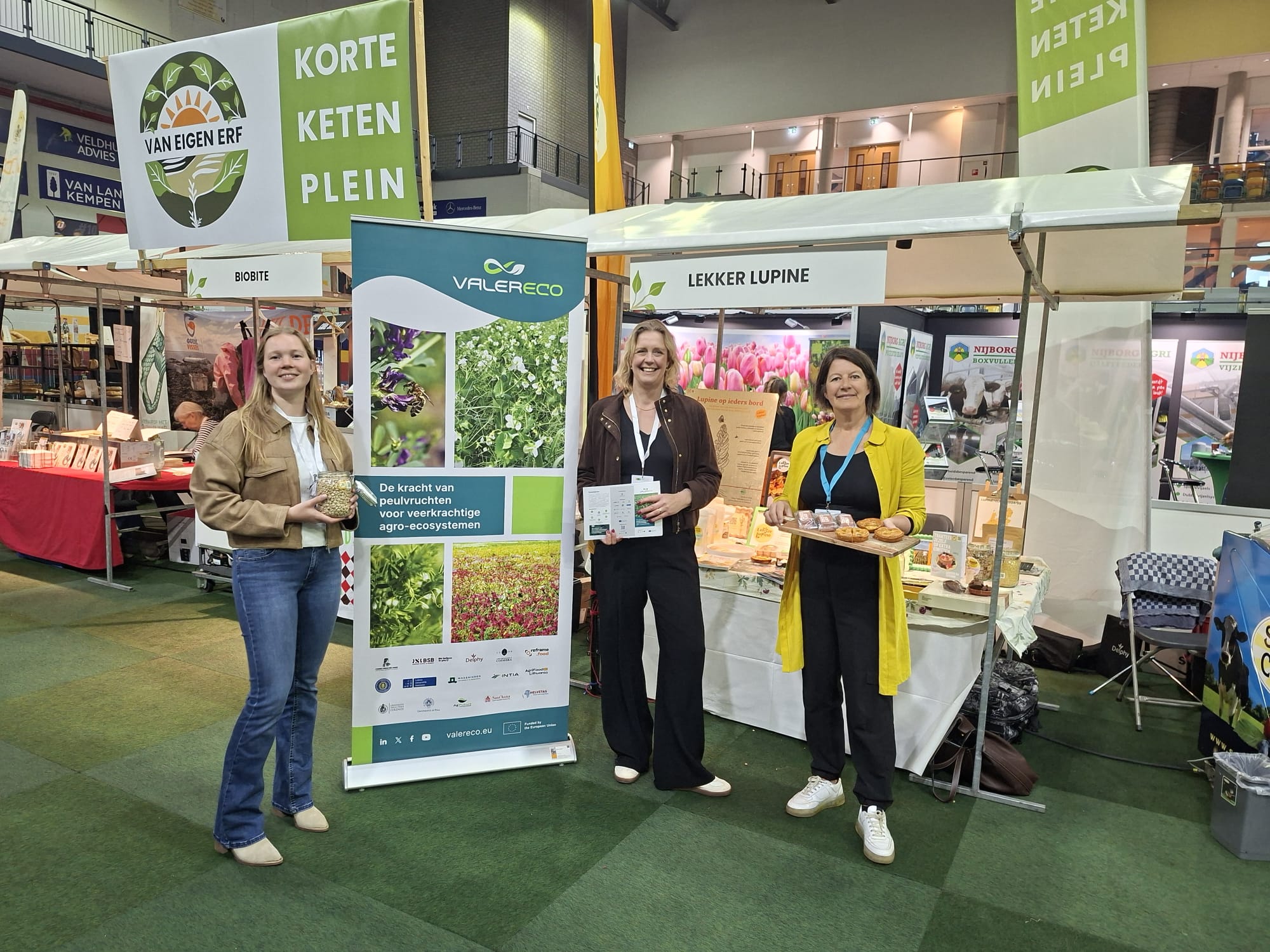
Demonstration & Co-Creation

The DELPHY Living Lab operates as a practice-oriented innovation platform, engaging:

  • Commercial arable farmers
  • Crop advisors
  • Protein value-chain actors
  • Researchers and policy stakeholders

Demonstration of events and advisory exchanges ensure that findings are directly translated into practical recommendations.

The results contribute to:

  • Cost–benefit analyses of grain legume inclusion
  • Life Cycle Assessments
  • Calibration of the Decision Support System (DSS)
  • Development of policy recommendations supporting domestic protein production

Expected Impact

The Netherlands (DELPHY) Living Lab contributes to:

  • Increased domestic production of grain legumes
  • Reduced nitrogen fertiliser requirements
  • Enhanced crop rotation diversity
  • Improved weed regulation through intercropping
  • Strengthened EU protein autonomy

By integrating annual grain legumes into intensive arable systems, this Living Lab demonstrates scalable solutions supporting both environmental sustainability and strategic protein diversification in Europe.