UNIFI Living Lab - ITALY

Name / Location
Tuscany Region, Italy
Lead Partner
University of Florence (UNIFI)
UNIFI
Agroecological Zone
Mediterranean
Climate Type
Mediterranean, temperate with dry summers
Legumes Tested
  • Chickpea (Cicer arietinum) – annual grain legume
  • Sulla (Hedysarum coronarium) – perennial forage legume
  • Pea (Pisum sativum) – annual grain legume
  • Clover (Trifolium spp.) – annual forage legume
Cropping System Type
Multi-legume diversified rotations combining grain and forage species
Agroecological Practices Applied
  • Genotype selection and comparative testing
  • Intercropping
  • Diversified crop rotations
  • Integration of perennial and annual legumes
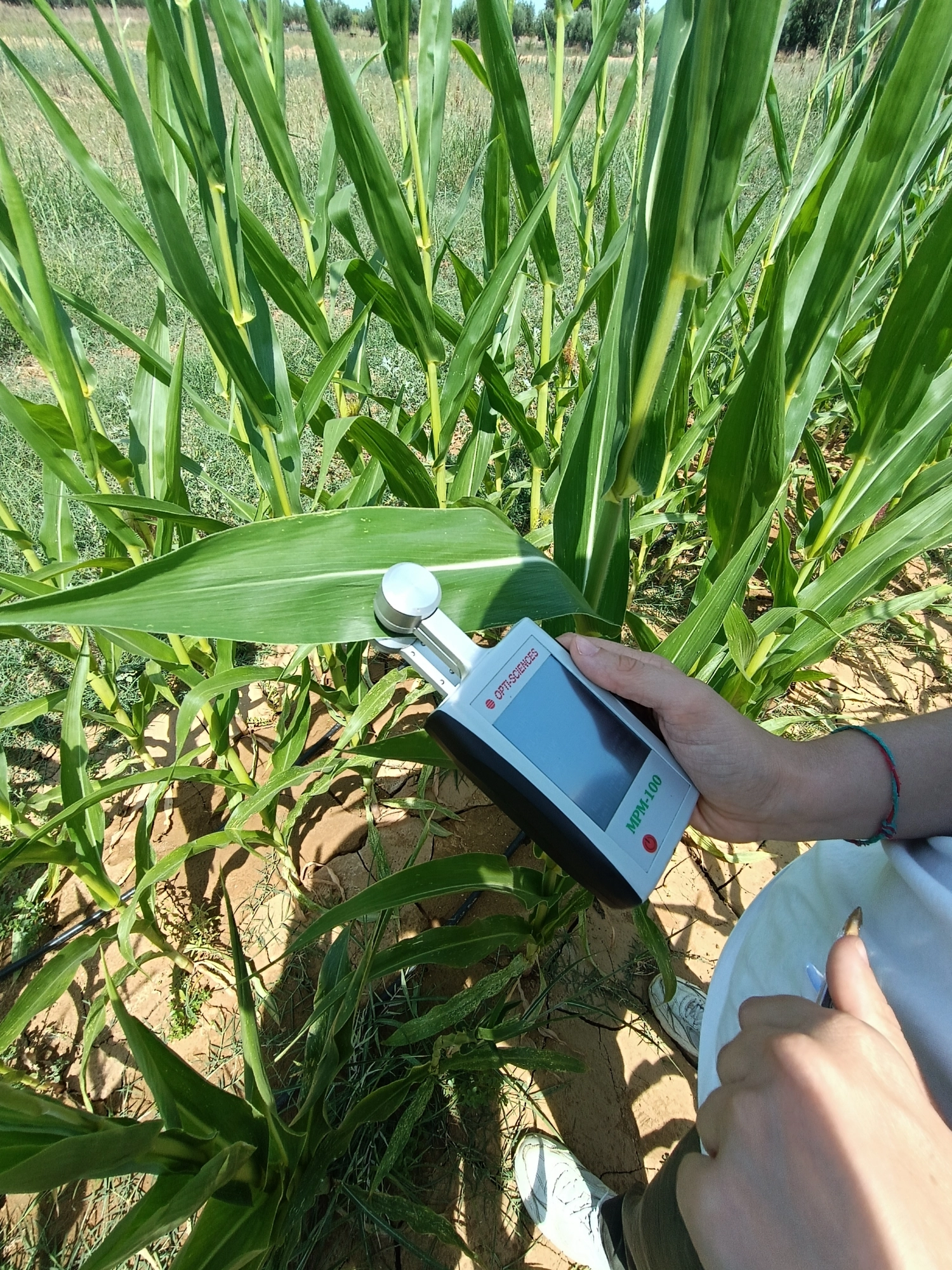
  • Field-based molecular and physiological assessments
Living Lab Board Composition
Farmers, researchers, advisors, regional stakeholders and value-chain actors (10 members)
Duration of Field Trials
3 growing seasons
Key Ecosystem Services Targeted
  • Nitrogen fixation and transfer
  • Soil fertility and carbon enhancement
  • Biodiversity support
  • Yield stability
  • Climate stress resilience

Overview

The Italian Living Lab coordinated by University of Florence combines field-level agroecological experimentation with advanced genetic and molecular analysis to optimize the performance of multi-legume systems.

Operating in a Mediterranean agricultural context characterized by soil degradation and increasing climate variability, the Living Lab evaluates diversified cropping systems that integrate both grain and forage legumes. A distinguishing feature of this LL is the integration of transcriptomic and physiological analyses to better understand how different legume genotypes respond to agronomic practices and environmental stress.

By bridging agronomic performance with genetic insight, the Living Lab supports evidence-based optimization of legume-based systems aligned with EU biodiversity, soil and climate objectives.

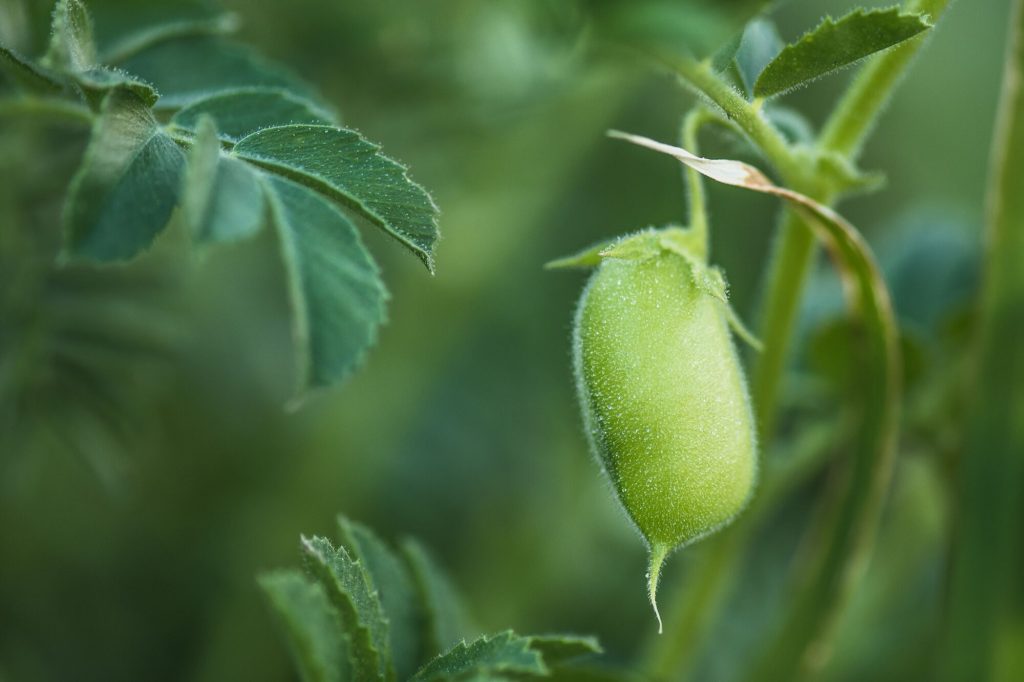
Chickpea (Cicer arietinum)
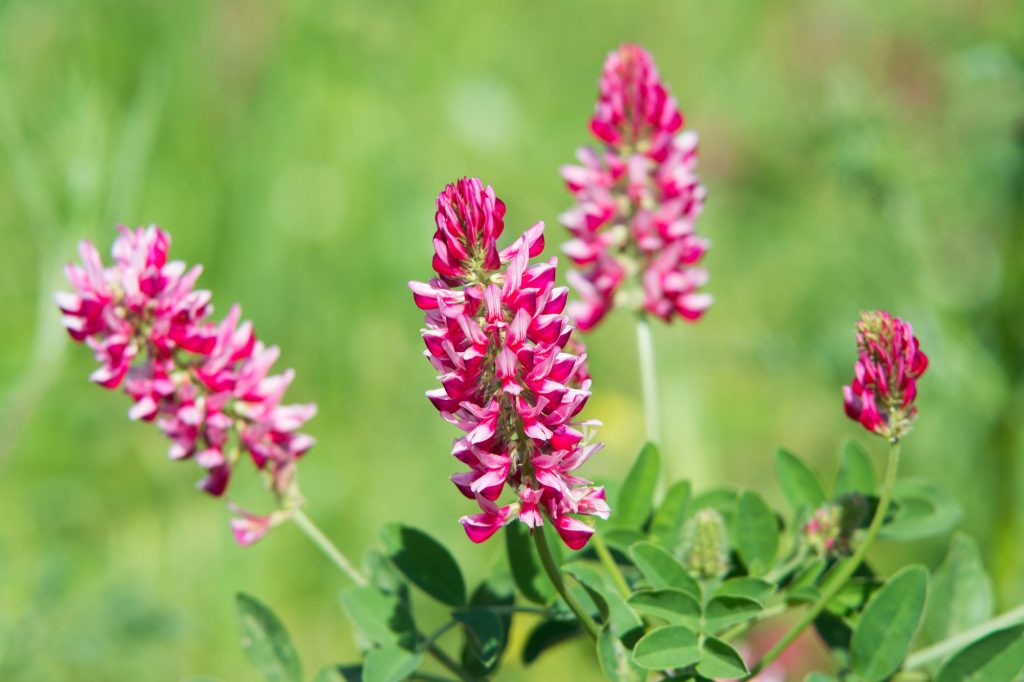
Sulla (Hedysarum coronarium L.)
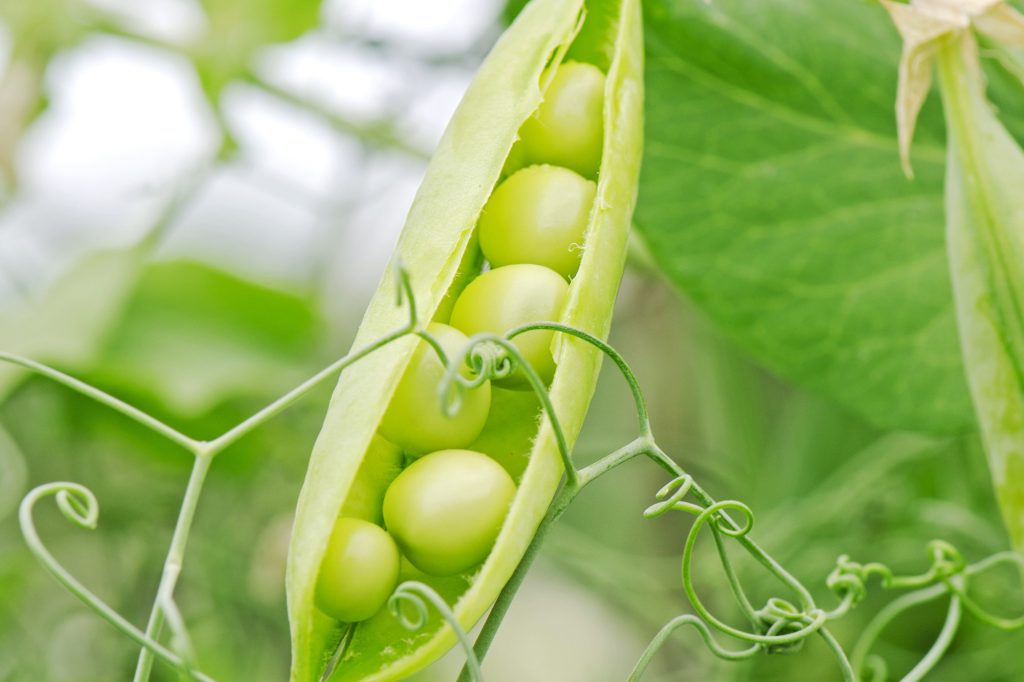
Pea (Pisum sativum)
Clover (Trifolium spp.)

Main Challenges

Mediterranean cropping systems face persistent structural and environmental constraints:

  • Soil nutrient depletion in cereal-dominated rotations
  • Increased vulnerability to drought and temperature extremes
  • Limited use of perennial legumes in mainstream farming
  • Yield variability linked to genotype–environment interactions
  • Insufficient knowledge on how genetic diversity enhances ecosystem services

Addressing these challenges requires both field experimentation and improved understanding of crop physiological responses.

Legume-Based Response

Agroecological Strategy

The UNIFI Living Lab applies a multi-species diversification approach, combining:

  • Grain legumes (chickpea, pea) for market production
  • Forage legumes (sulla, clover) for soil improvement and nitrogen transfer
  • Rotational integration of perennial and annual species
  • Genotype evaluation under contrasting management and environmental conditions

This approach strengthens ecosystem service delivery while improving system resilience.

Genetic & Physiological Innovation

A distinctive element of this Living Lab is the integration of advanced analyses to:

  • Assess genotype performance under field conditions
  • Investigate molecular and physiological responses to environmental stress
  • Identify traits linked to nitrogen fixation efficiency and stress tolerance
  • Support selection of varieties best suited for diversified systems

Samples from field trials are analyzed to link agronomic outcomes with plant-level responses, strengthening the scientific basis for legume optimization.

Cropping Systems Demonstrated

Indicative rotations include:

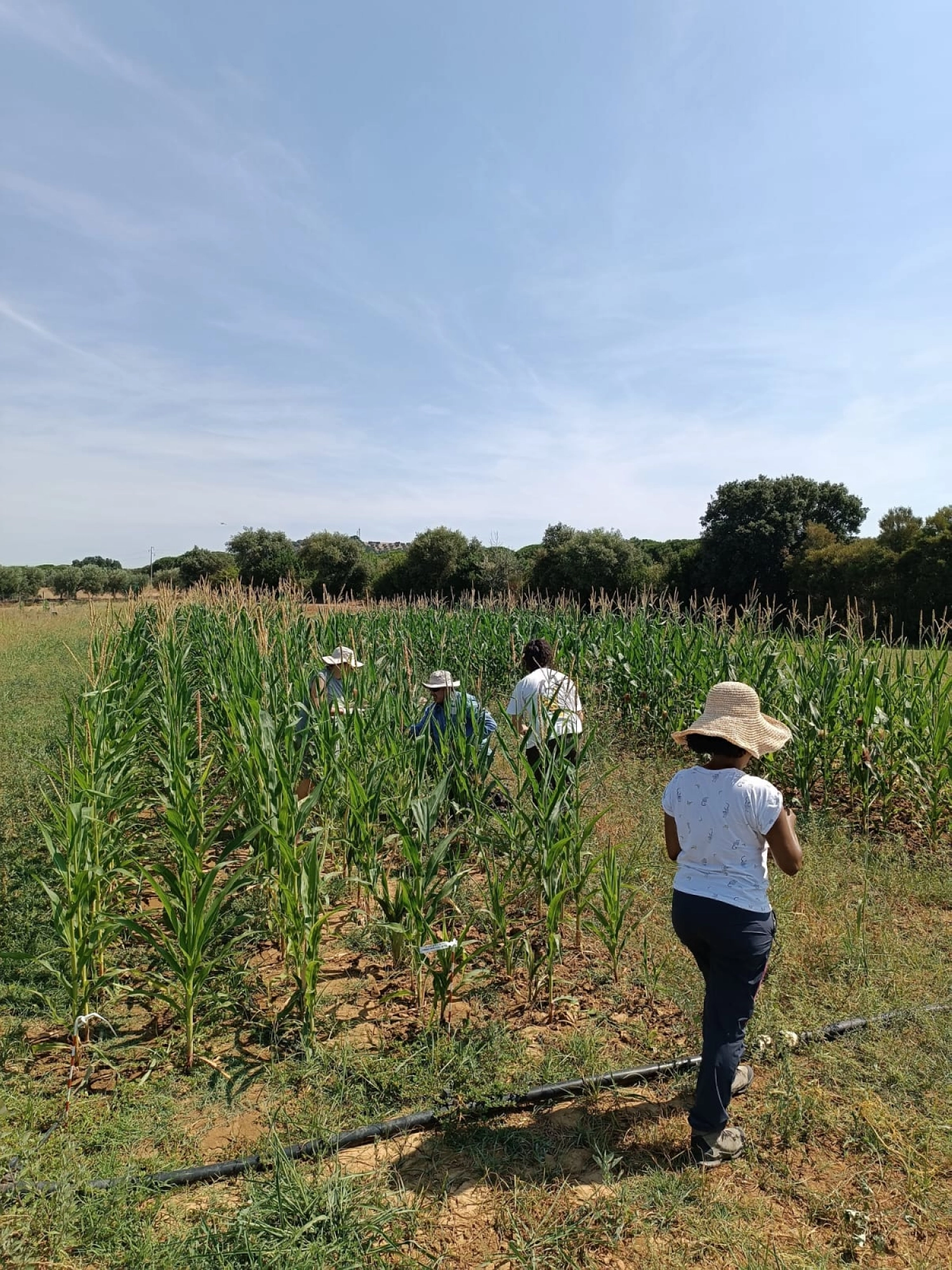
  • Sulla → Sulla → Maize
  • Clover → Maize → Chickpea

The Living Lab evaluates:

  • Nitrogen fixation capacity
  • Yield and grain quality
  • Soil biodiversity indicators
  • Climate adaptation performance
  • Economic feasibility

Demonstration & Co-Creation

The UNIFI Living Lab operates as a multi-actor platform, integrating:

  • Farmers testing diversified systems
  • Researchers conducting agronomic and molecular assessments
  • Advisors supporting implementation
  • Regional stakeholders contributing to policy dialogue

Through co-creation meetings and technical exchanges, stakeholders validate practical feasibility while scientific assessments refine genotype and system selection.

The outputs directly support:

  • Calibration of the Decision Support System (DSS)
  • Data inputs for Life Cycle Assessment (LCA)
  • Cost–benefit analysis

Policy recommendations for CAP eco-schemes

Expected Impact

The UNIFI Living Lab contributes to:

  • Enhanced nitrogen use efficiency through genotype-informed selection
  • Improved resilience of Mediterranean cropping systems
  • Increased soil fertility and biodiversity indicators
  • Reduced fertilizer dependency
  • Strengthened scientific basis for legume diversification policies

By combining field-level agroecological innovation with molecular-level insight, this Living Lab advances the optimization and scalability of legume-based systems across Southern Europe.