UC Living Lab - PORTUGAL

Name / Location

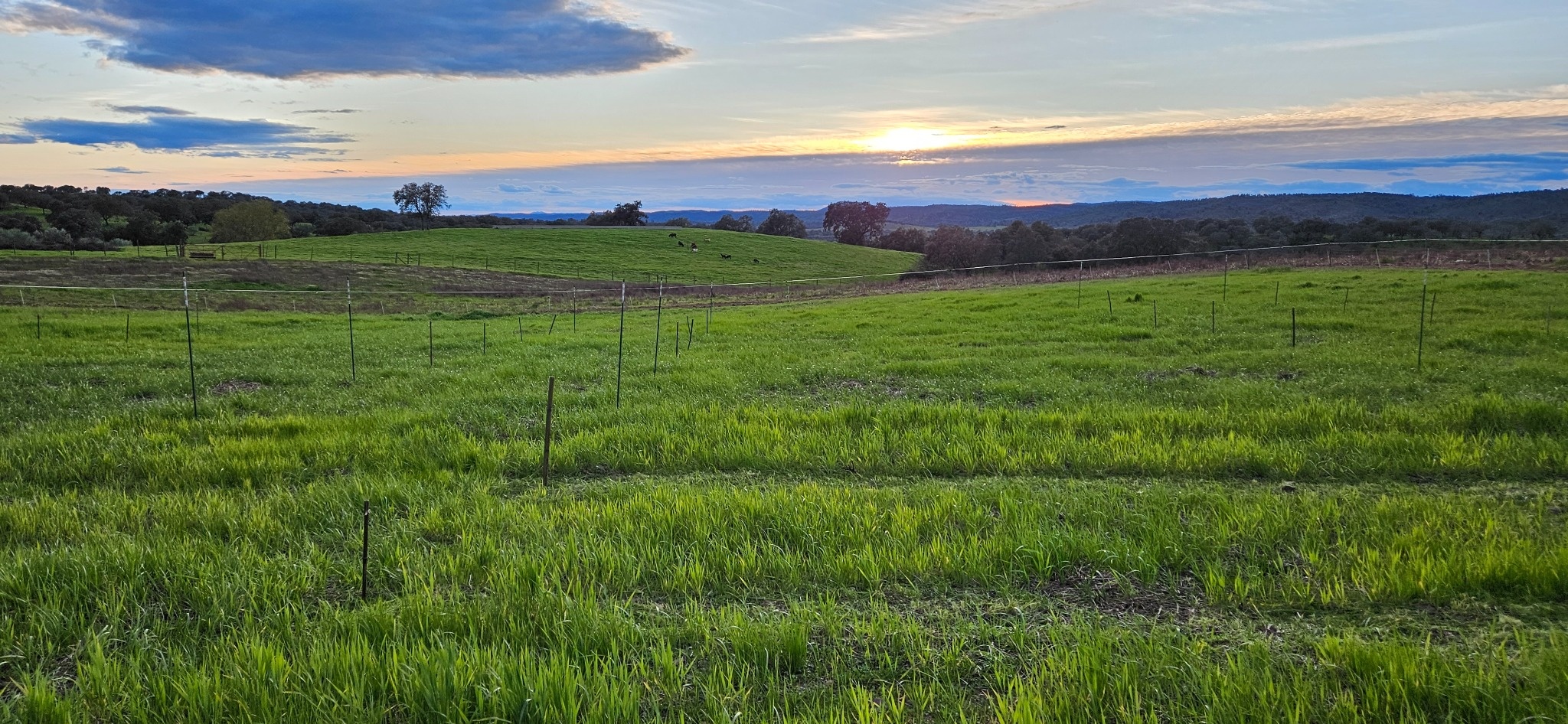
Central Region, Portugal

Lead Partner
University of Coimbra (UC)
UC
Agroecological Zone
Mediterranean
Climate Type
Mediterranean
Legumes Tested
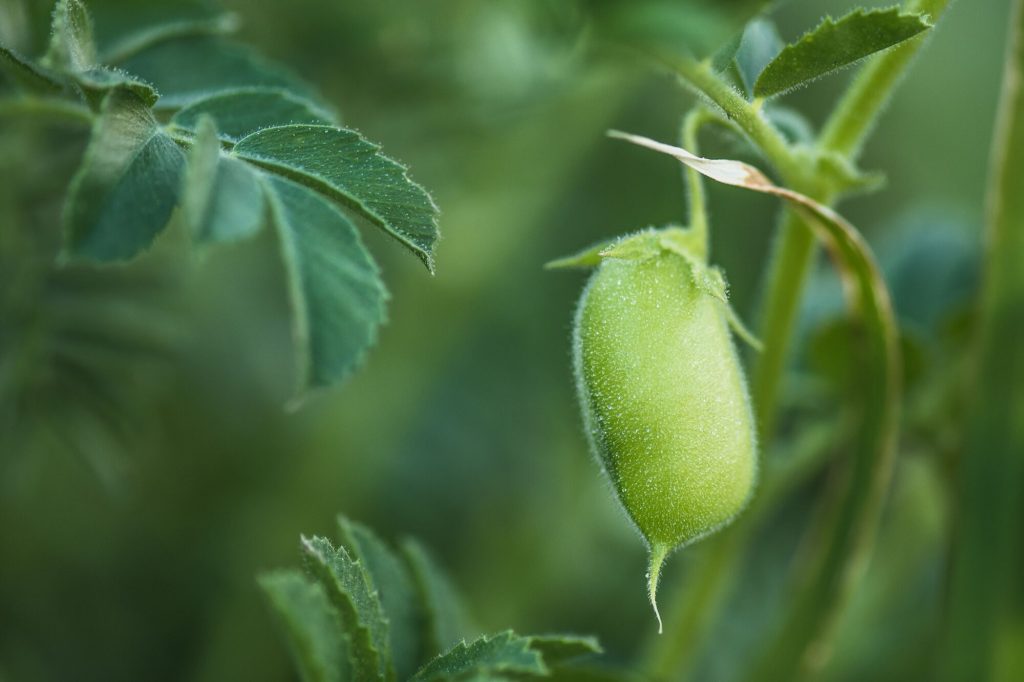
  • Chickpea (Cicer arietinum) – annual grain legume
Cropping System Type
Diversified cereal–legume rotations
Agroecological Practices Applied
  • Genotype selection
  • Intercropping
  • Cover cropping
  • Ecological Focus Areas (EFAs)
  • Diversified crop rotations
Living Lab Board Composition
Farmers, advisors, researchers, regional stakeholders and agri-food actors (10 members)
Duration of Field Trials
3 growing seasons
Key Ecosystem Services Targeted
  • Biological nitrogen fixation
  • Soil fertility enhancement
  • Weed suppression
  • Soil fertility enhancement
  • Climate resilience in drought-prone systems

Overview

The Portuguese Living Lab, coordinated by University of Coimbra, operates in a region where cereal-based systems face increasing water scarcity and soil degradation pressures.

The Living Lab focuses on the strategic integration of chickpea into cereal rotations as a lever to enhance nitrogen cycling, restore soil fertility, and improve system resilience under Mediterranean climatic conditions. Through participatory on-station trials, the Lab evaluates genotype performance, diversification strategies, and ecological regulation mechanisms.

By combining agronomic assessment with environmental and economic evaluation, the Portuguese LL contributes evidence to support CAP eco-schemes promoting crop diversification and fertilizer reduction.

Chickpea (Cicer arietinum)

Main Challenges

Agricultural systems in central Portugal face structural and environmental constraints, including:

  • Increasing drought frequency and water stress
  • Soil organic matter decline
  • Dependence on mineral nitrogen fertilizers
  • Weed pressure in cereal-dominated rotations
  • Limited adoption of grain legumes in mainstream systems

These pressures reduce long-term productivity and limit progress towards climate-adaptive farming.

Legume-Based Response

Agroecological Strategy

The UC Living Lab promotes chickpea as a key diversification crop through:

  • Genotype selection to optimize adaptation to local climatic conditions
  • Intercropping strategies enhancing crop complementarity
  • Cover cropping systems supporting nitrogen retention and soil cover
  • Integration into diversified cereal rotations

This approach strengthens nitrogen fixation while improving soil structure and ecological regulation.

Cropping Systems Demonstrated

Indicative rotation scheme:

  • Chickpea → Wheat → Chickpea

The Living Lab evaluates:

  • Yield stability and grain quality
  • Weed suppression capacity
  • Soil biodiversity and fertility indicators
  • Economic performance of chickpea-inclusive systems

Field data collection follows harmonized VALERECO protocols to ensure comparability with other Living Labs.

Demonstration & Co-Creation

The Portuguese Living Lab operates as a regional multi-actor platform involving:

  • Farmers experimenting with chickpea-based diversification
  • Agronomic advisors
  • Researchers conducting agronomic and soil assessments
  • Regional stakeholders contributing to policy dialogue

Demonstration of events and technical meetings enables stakeholders to assess system performance under real farming conditions and provide feedback on practical feasibility.

The data generated support:

  • Cost–benefit analysis
  • Life Cycle Assessment (LCA)
  • Calibration of the Decision Support System (DSS)
  • Development of policy recommendations

Expected Impact

The Portugal (UC) Living Lab contributes to:

  • Reduced nitrogen fertiliser dependency
  • Improved soil organic matter and biological activity
  • Enhanced resilience of Mediterranean farming systems
  • Increased crop diversification and rotation length
  • Strengthened economic viability of chickpea production

By demonstrating climate-adaptive, legume-inclusive cropping systems, the Portuguese Living Lab supports sustainable intensification aligned with EU biodiversity, soil and climate objectives.