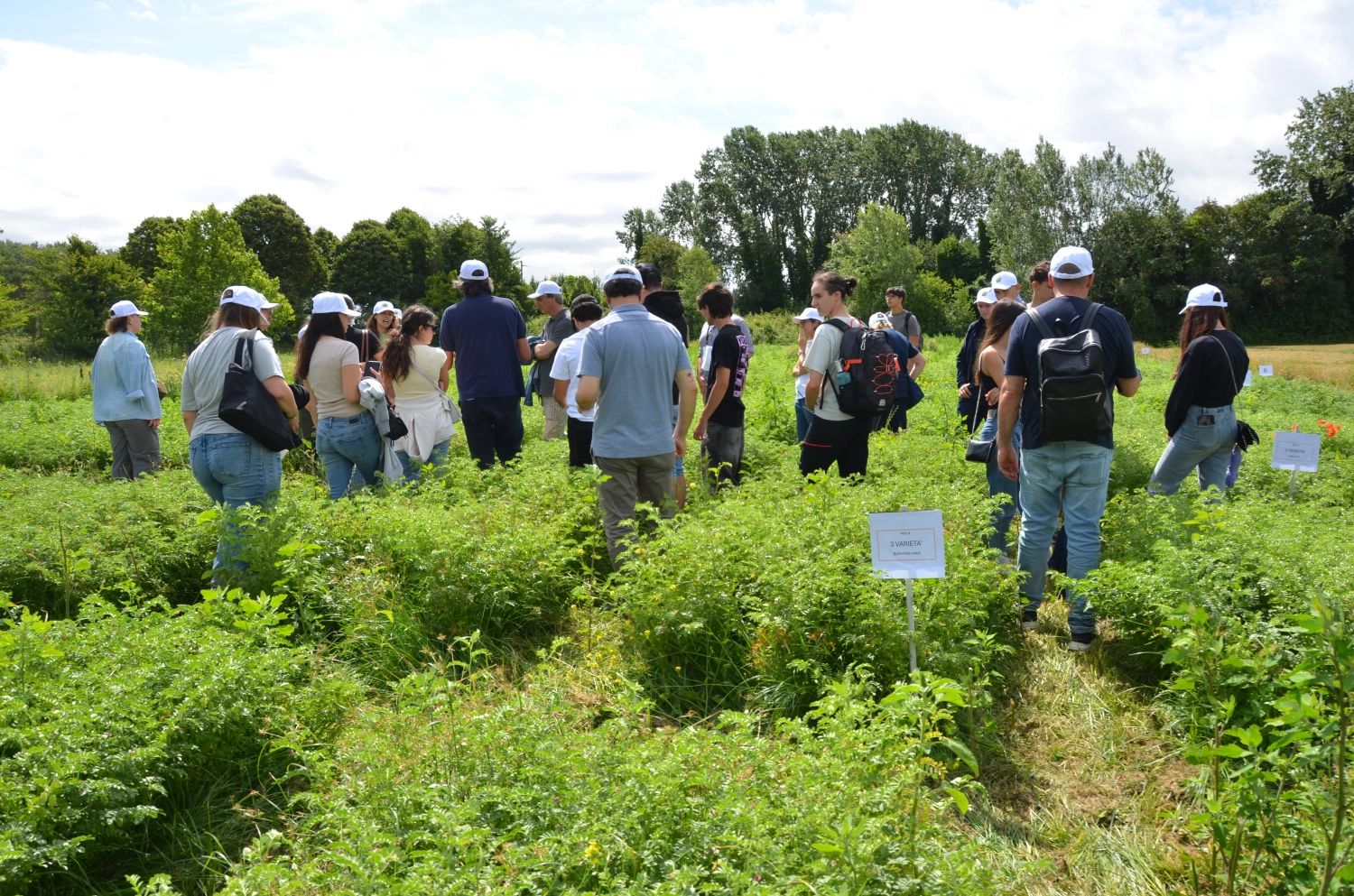
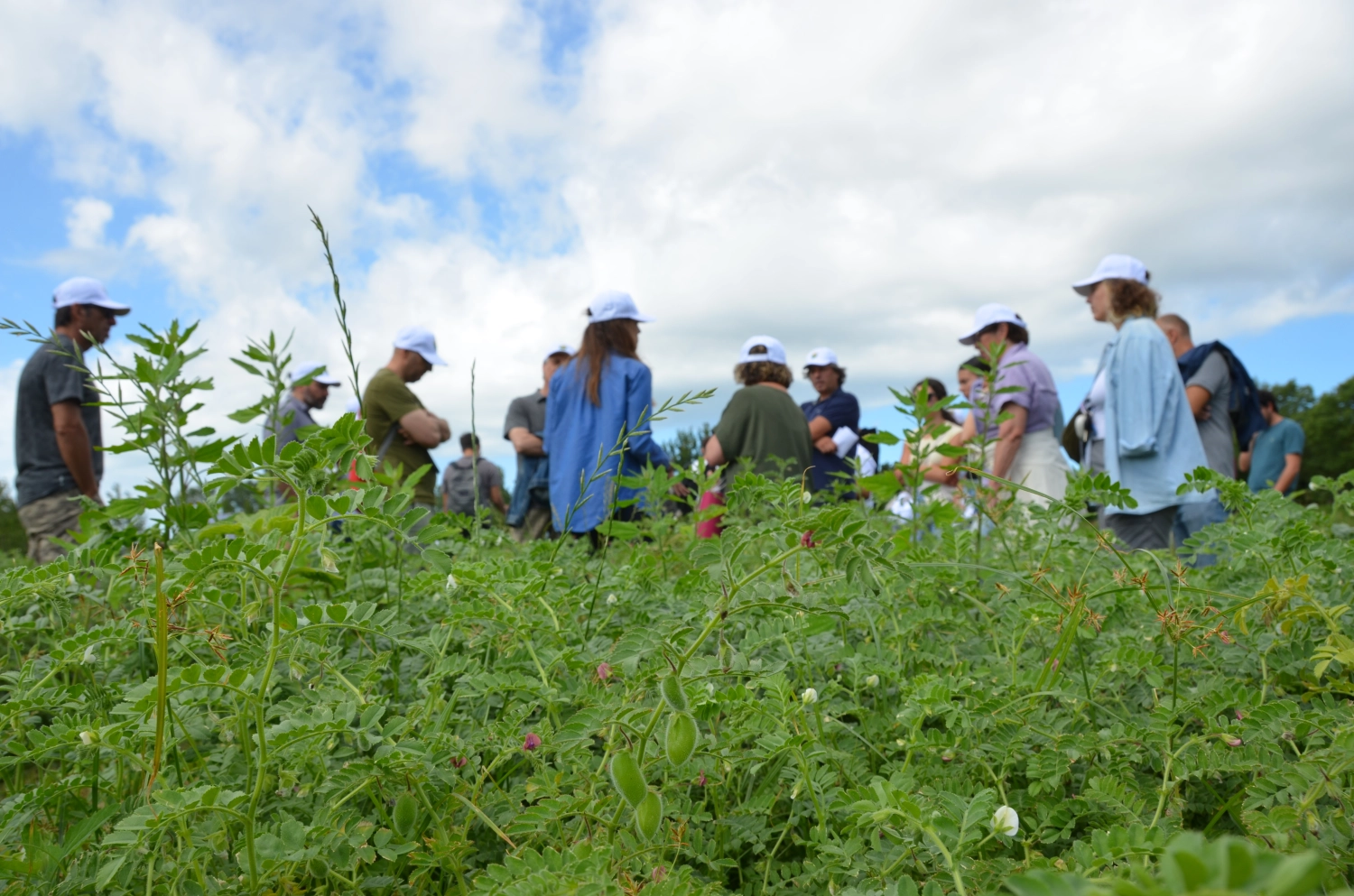
Name / Location | Tuscany Region, Italy |
Lead Partner | |
Agroecological Zone | Mediterranean |
Climate Type | Mediterranean, temperate with dry summers |
Legumes Tested |
|
Cropping System Type | Diversified cereal–legume rotations |
Agroecological Practices Applied |
|
Living Lab Board Composition | 2 Farmers, 2 advisors, 2 researchers, 3 agri-food actors and 1 regional stakeholder (10 members) |
Duration of Field Trials | 3 growing seasons |
Key Ecosystem Services Targeted |
|
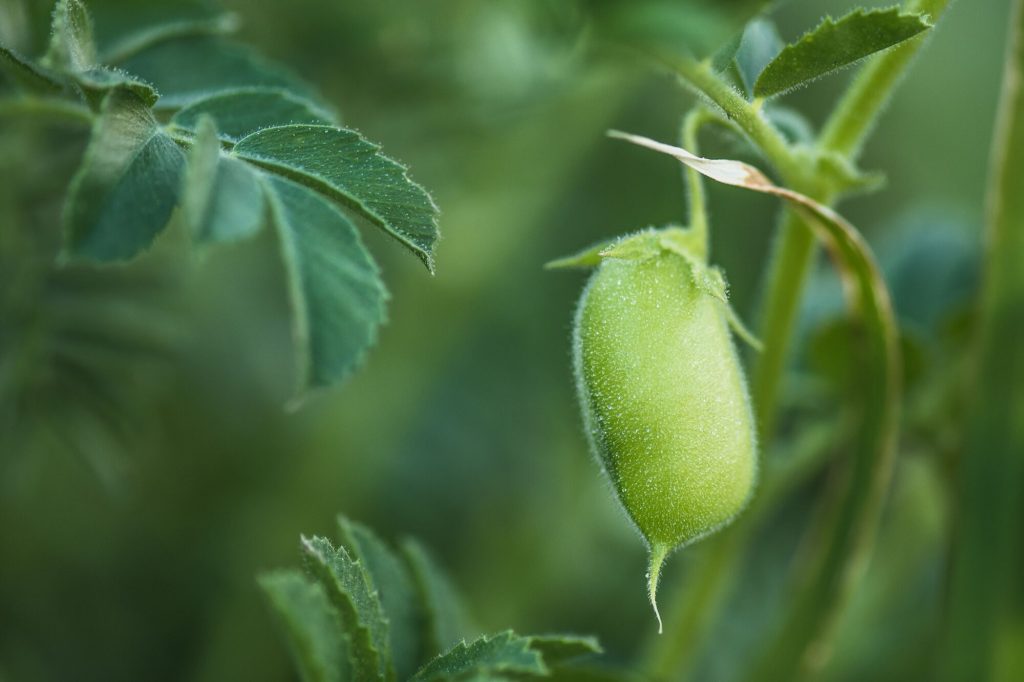
The Italian Living Lab, coordinated by Scuola Superiore Sant’Anna, operates in a Mediterranean cereal-dominated farming landscape where crop rotations have progressively simplified over time.
The Living Lab focuses on the strategic reintegration of chickpea into cereal systems, addressing soil fertility, nitrogen fixation and biodiversity loss. Through participatory on-station trials, the Lab evaluates innovative diversification strategies combining cropping system diversification approaches at genetic and species level to maximize ecosystem service delivery.
By generating robust field-based evidence, the Italian LL contributes directly to CAP objectives promoting longer rotations, crop diversification and environmentally beneficial crops.
Italian cereal-based systems face structural and environmental constraints, including:
These pressures undermine long-term soil fertility and reduce the resilience of farming systems to climate variability.
Agroecological Strategy
The Italian Living Lab implements a 3D diversification framework:
This approach enhances biological nitrogen fixation while improving crop complementarity and ecological regulation.
Indicative rotation scheme:
The system is tested under multiple management configurations to assess:
Field measurements are supported by biodiversity and soil monitoring to quantify the level of ecosystem service provisioning.
The Italian LL operates as a structured multi-actor innovation space, bringing together:
Technical meetings and demonstration events allow stakeholders to evaluate system performance in real conditions and provide feedback on practical feasibility.
The co-creation process ensures that diversification strategies are adapted to local production realities and aligned with farmers’ economic priorities.
The data feed directly into:
The Decision Support System (DSS)
The Italian Living Lab delivers measurable contributions towards:
By demonstrating technically feasible and economically assessed legume integration pathways, the Italian LL provides replicable solutions for cereal-dominated regions across Southern Europe.