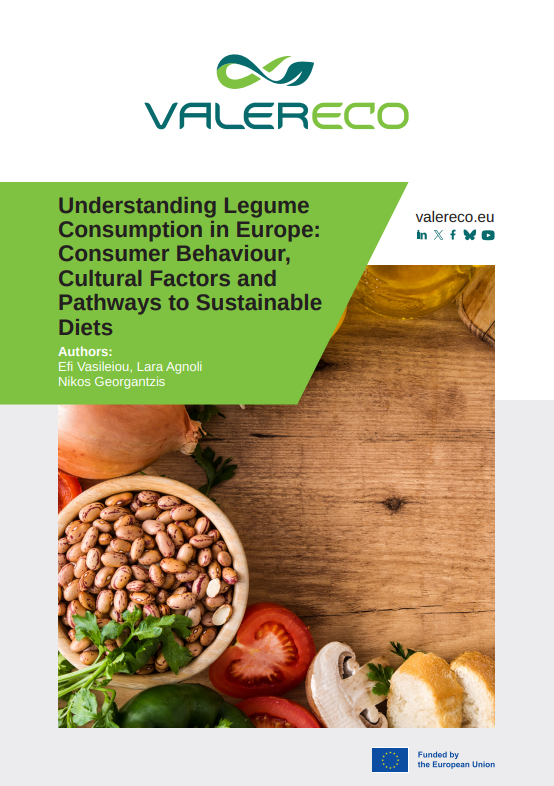
Understanding Legume Consumption in Europe: Consumer Behaviour, Cultural Factors and Pathways to Sustainable Diets
This White Paper explores legume consumption patterns across Europe, highlighting the influence of consumer behaviour, cultural traditions and economic factors on dietary choices. Despite their nutritional and environmental benefits, legumes remain underconsumed in many European countries, with significant differences in consumption levels between regions. The paper examines these disparities and discusses how behavioural interventions, including those developed within VALERECO, can encourage greater legume consumption and support the transition towards healthier and more sustainable diets.
- WhitePaper
- ConsumerBehaviour
- SustainableDiets
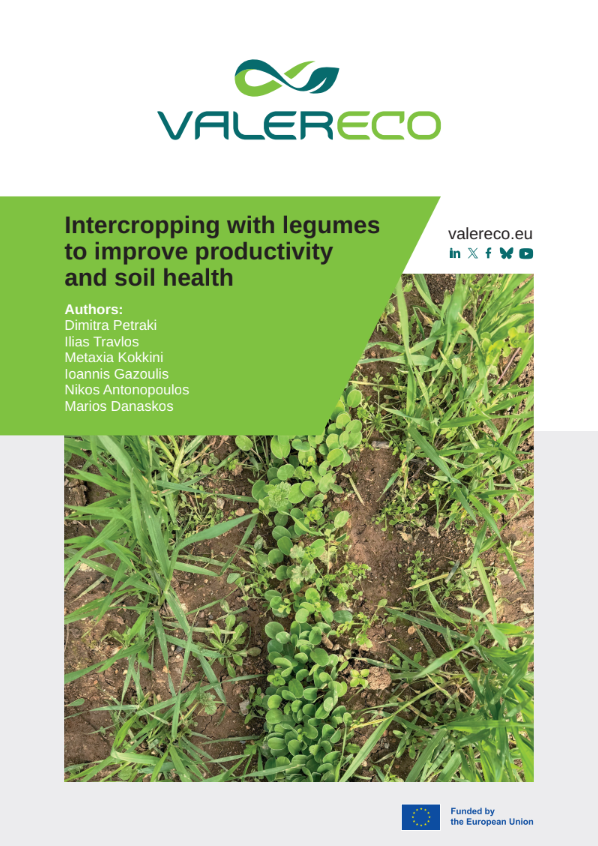
intercropping with legumes to improve productivity and soil health
Intercropping is a cultural practice, where two or more crop species are grown simultaneously in the same field during overlapping growing seasons. There are four main types of intercropping: row intercropping where crops are grown in distinct rows, mixed- intercropping involving crops grown without distinct row arrangement, strip intercropping featuring crops cultivated in multiple-row strips and relay intercropping entailing sequential planting of crops with overlapping growth phases.
- WhitePaper
- Agroecology
- EcosystemServices
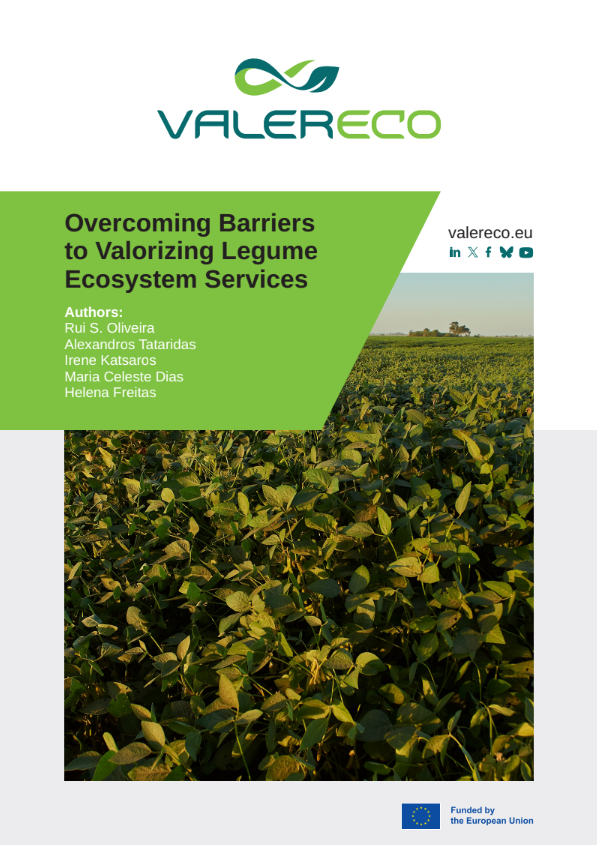
Overcoming Barriers to Valorizing Legume Ecosystem Services
Legumes are central to agroecological transitions. Their ability to fix atmospheric nitrogen, enhance biodiversity, and improve soil health makes them vital for sustainable farming. Yet, despite well-documented benefits, legume-based cropping systems remain underused globally. This white paper explores the agronomic, economic, institutional, and cultural barriers limiting the recognition and widespread exploitation of ecosystem services provided by legumes and outlines strategic recommendations to unlock their full potential.
- WhitePaper
- Agroecology
- EcosystemServices
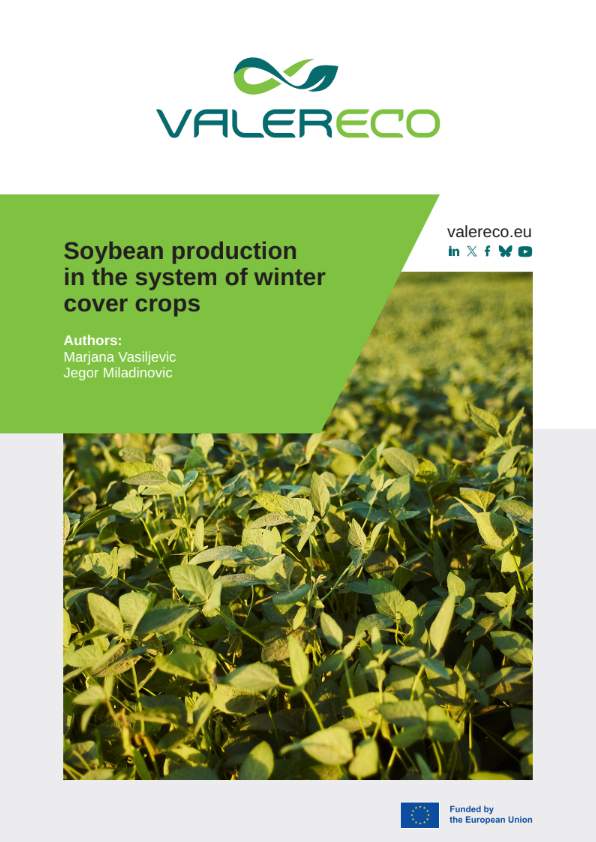
Soybean production in the system of winter cover crops
The agroecological practices that will be tested and demonstrated based on different combinations of the 3D of diversity: (a) genetic (legume genotypes), (b) species (intercropping, legume mixtures, crop rotations), and (c) spatial diversity (strip intercropping, agroforestry, buffer strips, EFAs). Each LL will implement 2 to 3 agroecological approaches for 3D diversification and incorporate agroecological practices for the reduction of pesticides and N fertilizers needs (e.g., mulching, green manure etc.).
- WhitePaper
- Agroecology
- EcosystemServices
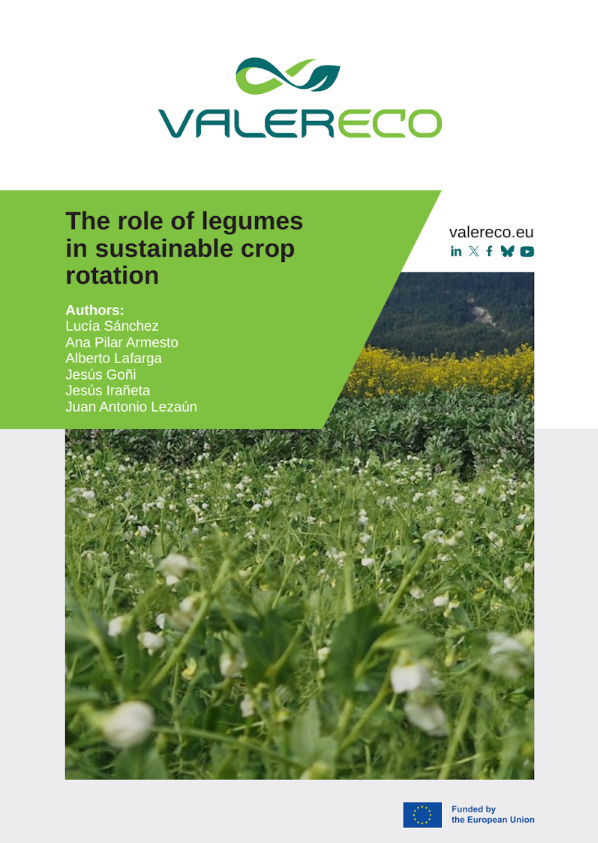
The role of legumes in sustainable crop rotation
Monoculture presents long-term problems, higher nitrogen consumption, greater risk of pests and diseases, especially weeds, and higher consumption of plant protection products. The inclusion of legumes in rotations has a positive effect on the environment, which is further enhanced when the rotation consists of crops whose production requires high levels of inputs. With the introduction of protein crops economic profitability is maintained due to savings in inputs such as nitrogen fertilisers, both in legume cultivation and in subsequent crops, generally wheat, whose yield increases.
- WhitePaper
- Agroecology
- EcosystemServices
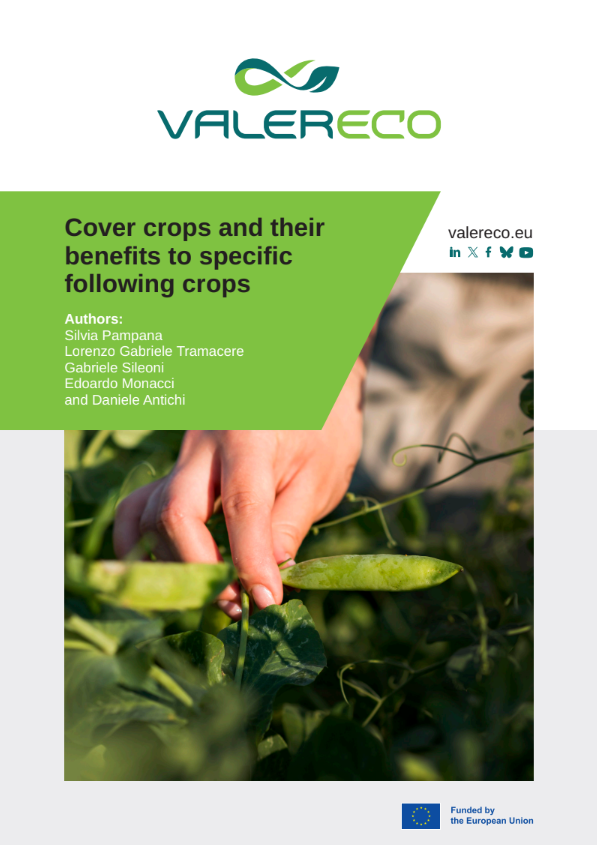
Cover crops and their benefits to specific following crops
Cover crops—plants grown without the intention of harvesting, typically planted between or alongside cash crops—provide numerous agronomic, environmental, and economic benefits. This white paper examines the influence of key legume cover crops on subsequent plantings of winter (such as wheat and barley) and spring (i.e., ted by 1st October and retained until 15th January of the following year. Although cover crops have traditionally been viewed as an ancient practice, their integration into contemporary cropping systems is increasingly recognized as a valuable ecological intensification strategy to enhance soil health, facilitate nutrient cycling, control erosion, suppress weeds and pests, and support biodiversity.
- WhitePaper
- Agroecology
- EcosystemServices