Name / Location | Vojvodina Region, Serbia |
Lead Partner | |
Agroecological Zone | Continental |
Climate Type | Moderate continental climate |
Legumes Tested |
|
Cropping System Type | Diversified cereal–legume rotations with strip intercropping and green manure strategies |
Agroecological Practices Applied |
|
Living Lab Board Composition | Farmers, advisors, researchers, consumers, policy representatives and agri-food stakeholders (10 members) |
Duration of Field Trials | 3 growing seasons |
Key Ecosystem Services Targeted |
|
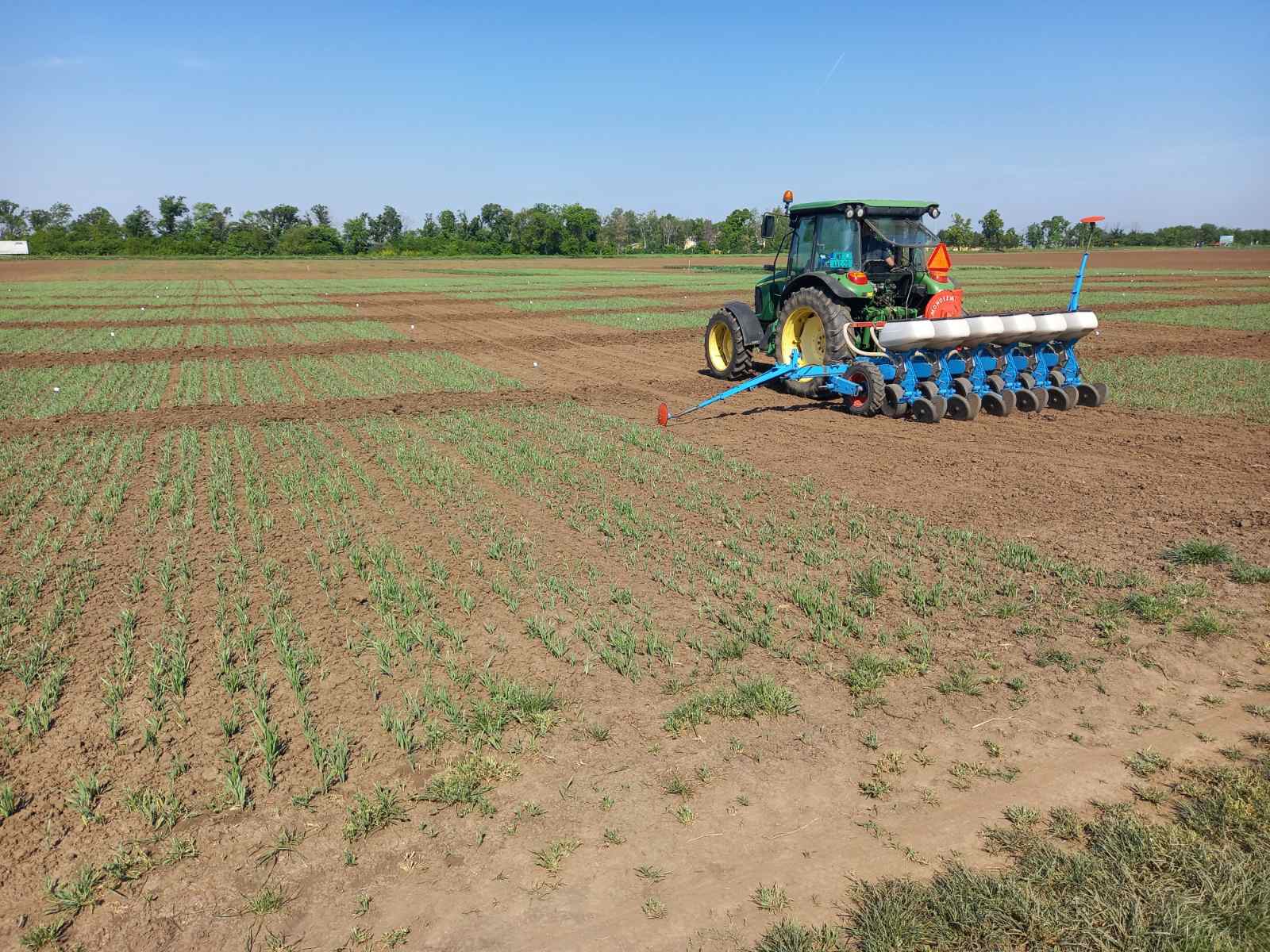
The Serbian Living Lab, coordinated by Institute of Field and Vegetable Crops, operates in the highly productive arable region of Vojvodina, where large-scale cereal and oilseed crops dominate agricultural landscapes.
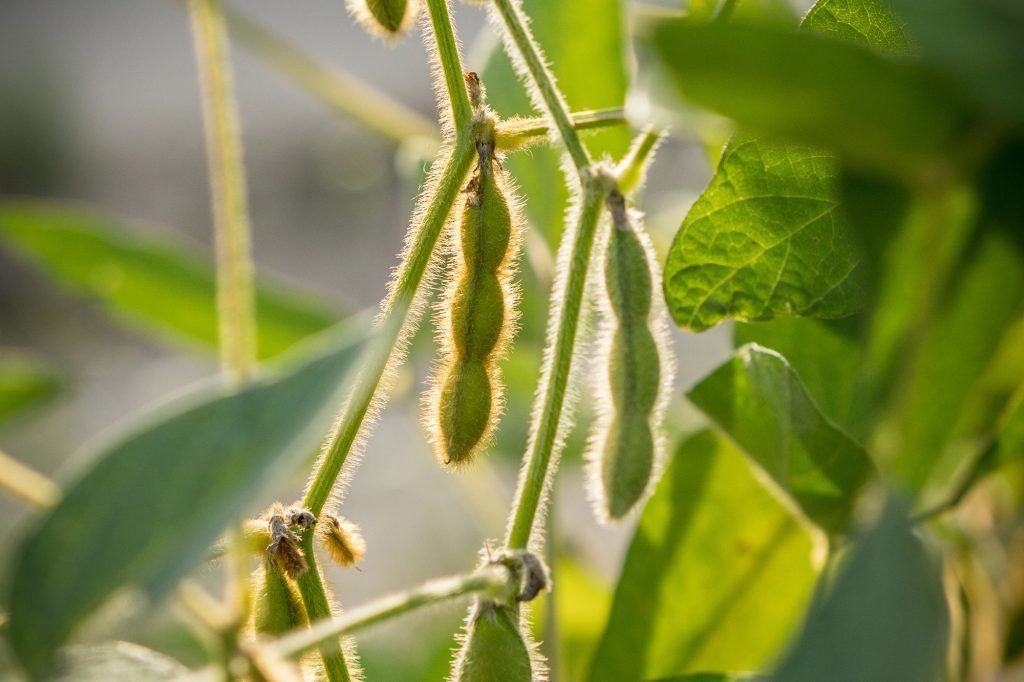
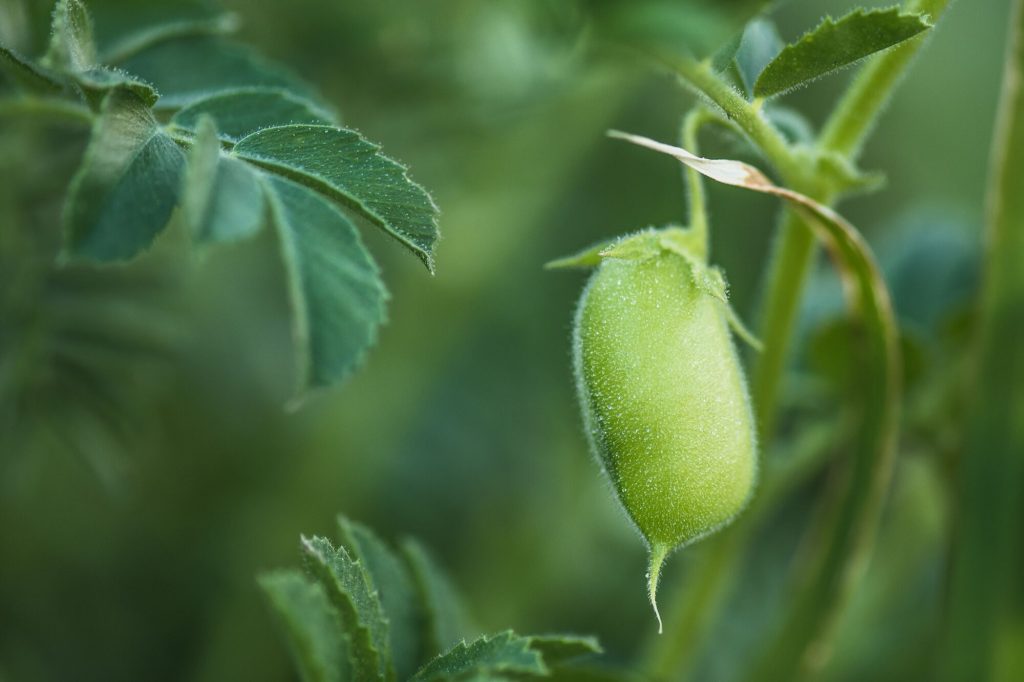
The Living Lab focuses on integrating chickpea and soybean into crop rotations to enhance nitrogen cycling and improve system resilience. Special emphasis is placed on spatial diversification strategies, including crops strip intercropping and green manure incorporation.
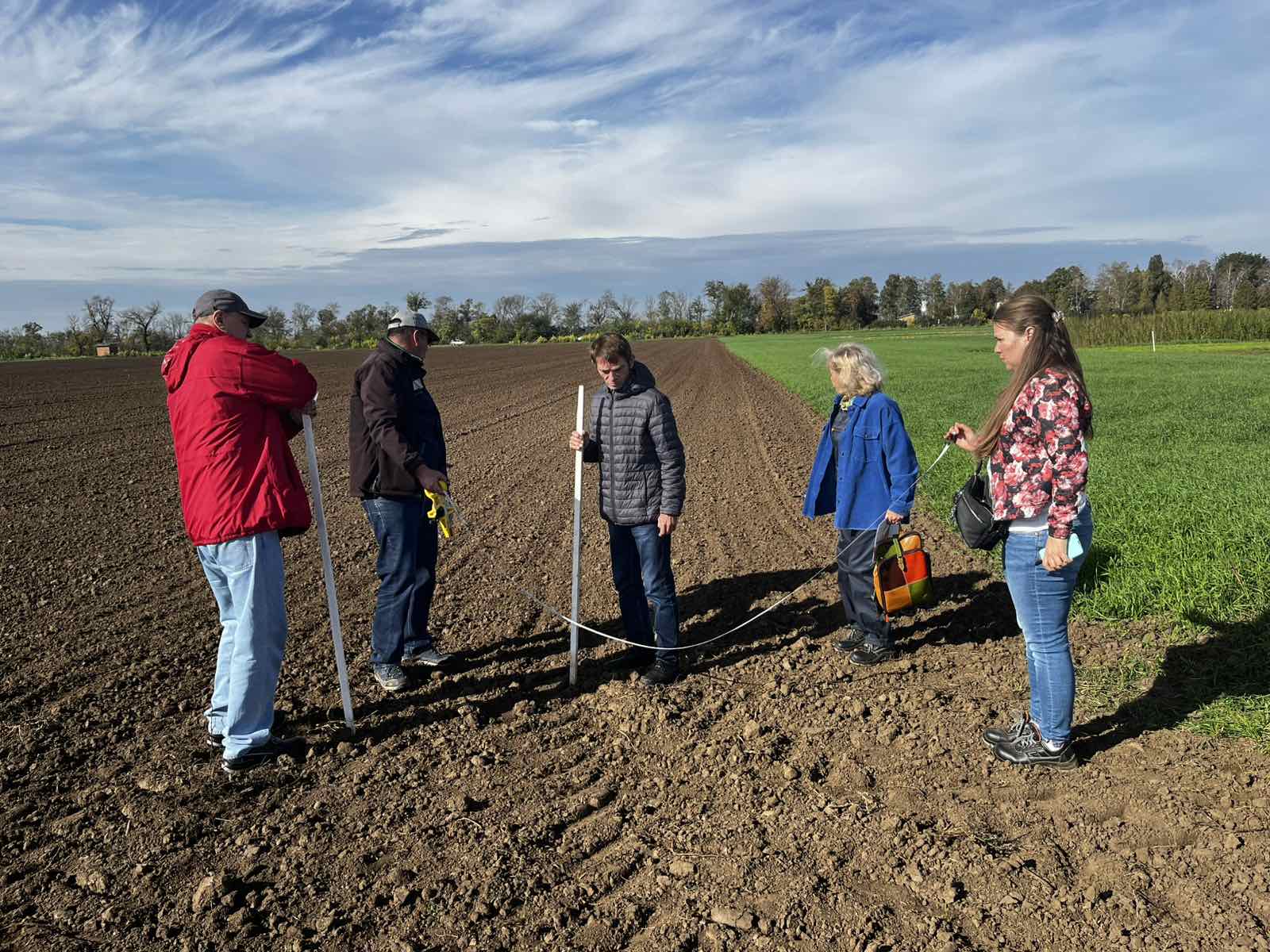
Through participatory field experimentation and multi-actor engagement, the Serbian LL generates robust agronomic, environmental and economic evidence supporting sustainable crop diversification.
Arable farming systems in northern Serbia face multiple structural pressures:
These constraints challenge both environmental sustainability and long-term productivity.
Agroecological Strategy
The IFVCNS Living Lab applies a diversification approach combining:
This integrated strategy enhances ecosystem services while maintaining high-yield arable production.
Indicative rotation scheme:
The Living Lab evaluates:
Field data are collected under harmonised VALERECO protocols to ensure comparability across regions.
The Serbian Living Lab functions as a regional innovation platform engaging:
Demonstration events will enable stakeholders to assess and exchange practical solutions and identify adoption pathways suited to large-scale farming systems.
The results feed into:
The Serbia (IFVCNS) Living Lab contributes to:
By integrating grain legumes into intensive continental farming systems, the Serbian Living Lab demonstrates scalable solutions supporting biodiversity, soil health and climate adaptation across Central and Eastern Europe.