GREECE (1 Living Lab)

Name / Location
Thiva Region, Greece
Lead Partner
Agricultural University of Athens (AUA)
AUA
Agroecological Zone
 Mediterranean
Climate Type
Hot-summer Mediterranean (Csa)
Legumes Tested
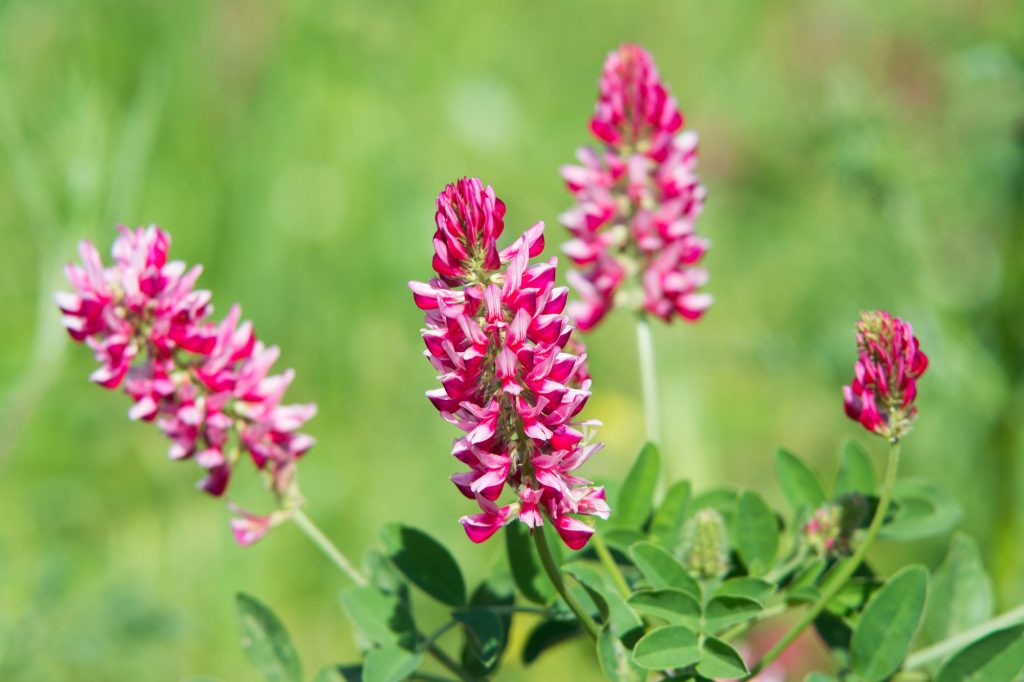
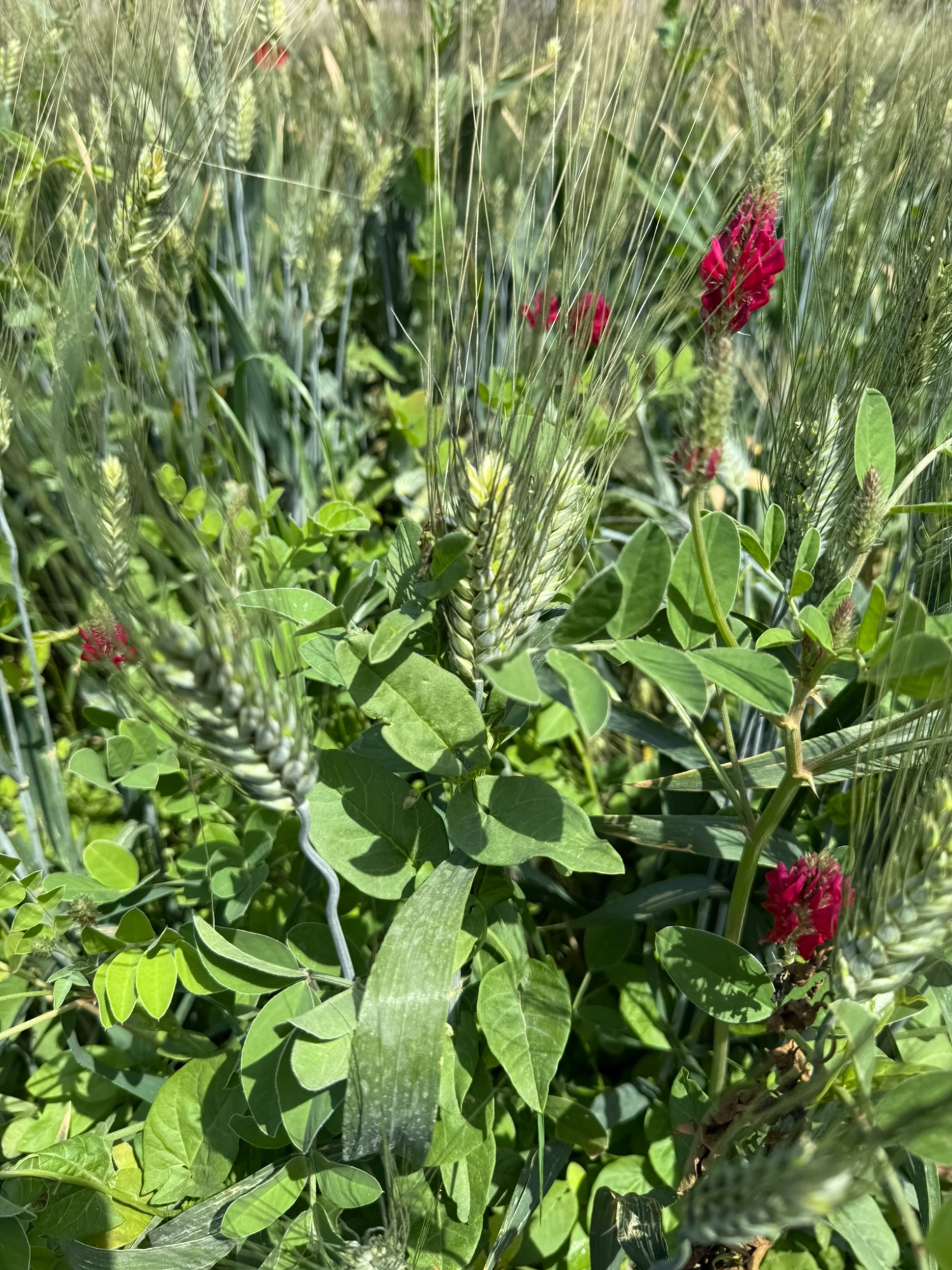
  • Sulla (Hedysarum coronarium L.)
    – annual/biennial forage legume.
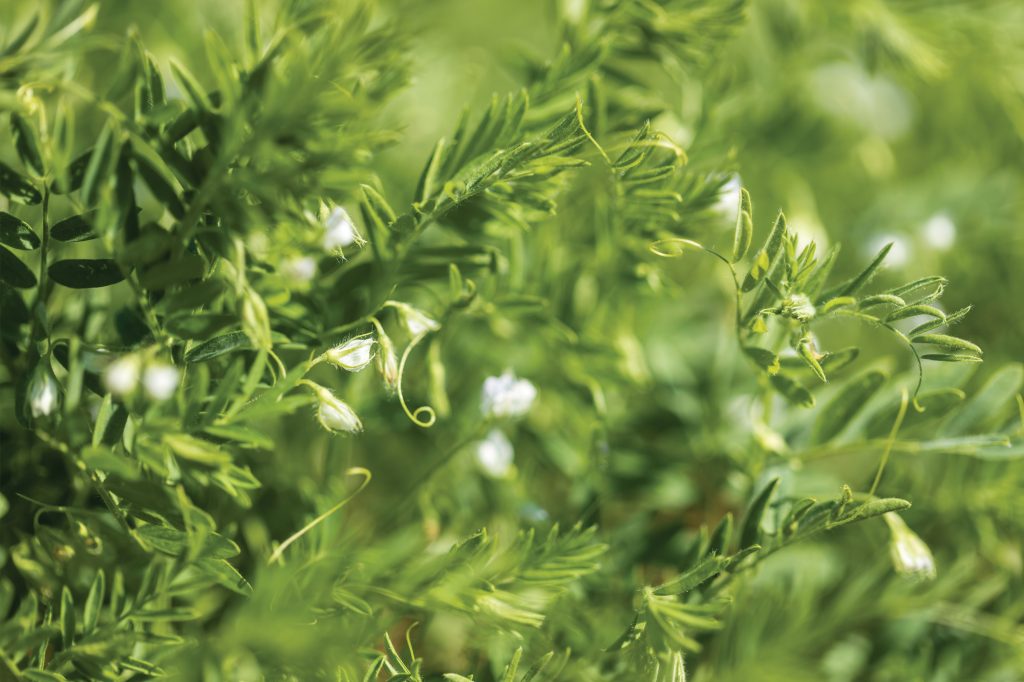
  • Lentil (Lens culinaris) – annual grain legume.
Cropping System Type
Diversified crop rotations
Agroecological Practices Applied
  • Intercropping
  • Genotype selection
Living Lab Board Composition
Farmers, advisors, researchers, policy representatives, and value-chain actors (10 members)
Duration of Field Trials
3 growing seasons
Key Ecosystem Services Targeted
  • Biological nitrogen fixation
  • Soil fertility enhancement
  • Weed suppression
  • Soil biodiversity improvement
  • Climate resilience (drought adaptation)

Overview

The Greek Living Lab, coordinated by the Agricultural University of Athens, operates in a Mediterranean agricultural landscape characterized by increasing drought frequency, declining soil fertility and high dependency on synthetic nitrogen fertilizers.

Within this context, the Living Lab demonstrates how  legumes can be strategically integrated into diversified cropping systems to enhance ecosystem services while maintaining farm productivity. Through participatory on-station trials and multi-actor co-creation, the Lab evaluates agroecological practices that reduce input dependency and improve soil health.

The Greek LL directly contributes to the objectives of the EU Green Deal and the Common Agricultural Policy (CAP) by providing field-based evidence for sustainable crop diversification and fertilizer reduction strategies.

Sulla (Hedysarum coronarium L.)
Lentil (Lens culinaris)

Main Challenges

Agricultural systems in the Mediterranean region face multiple structural and environmental pressures:

  • Increasing drought intensity and water scarcity
  • Soil organic matter decline
  • High reliance on mineral nitrogen fertilizers
  • Weed pressure in cereal-based rotations
  • Limited integration of legumes in mainstream farming systems
  • Economic uncertainty linked to input costs

These challenges reduce system resilience and limit progress towards climate-neutral and biodiversity-friendly farming.

Legume-Based Response

Agroecological Strategy:

The Greek Living Lab applies a 3D diversification approach, combining:

  • Genetic diversity (different varieties)
  • Species diversity (intercropping of legumes with cereals, crop rotation)
  • Sulla is tested as a multi-functional perennial forage legume that enhances nitrogen transfer and soil structure, while lentil is integrated into cereal-based rotations to reduce fertilizer needs and improve rotation performance.

Cropping Systems Demonstrated

 There are 7 crop rotations schemes tested over the 3 growing seasons

These systems are evaluated under real field conditions to measure:

  • Nitrogen fixation and transfer
  • Yield stability
  • Soil biodiversity indicators
  • Pest suppression efficiency
  • Drought resilience

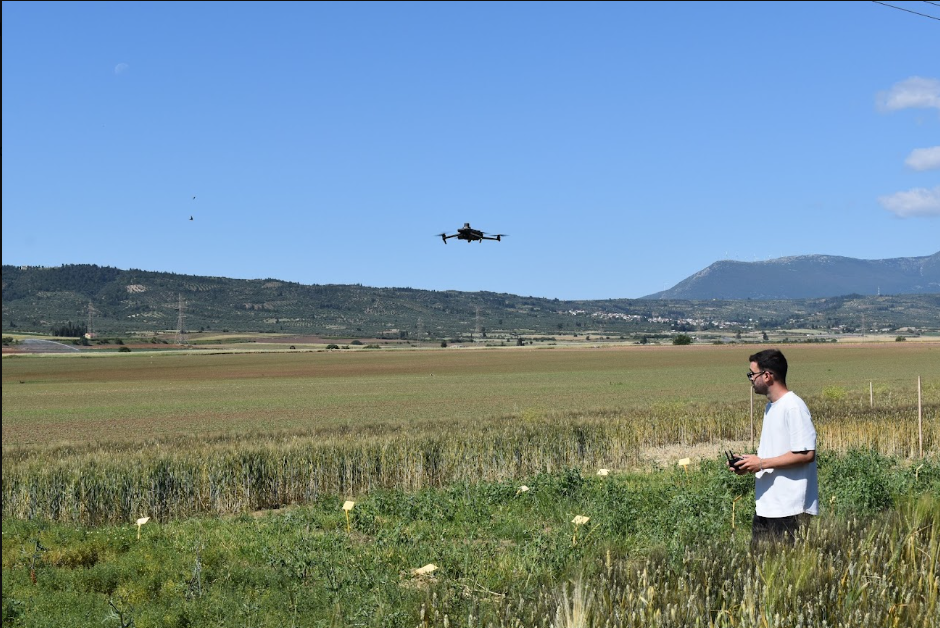
Advanced monitoring tools, including vegetation indices and soil analyses, support the quantification of ecosystem service delivery.

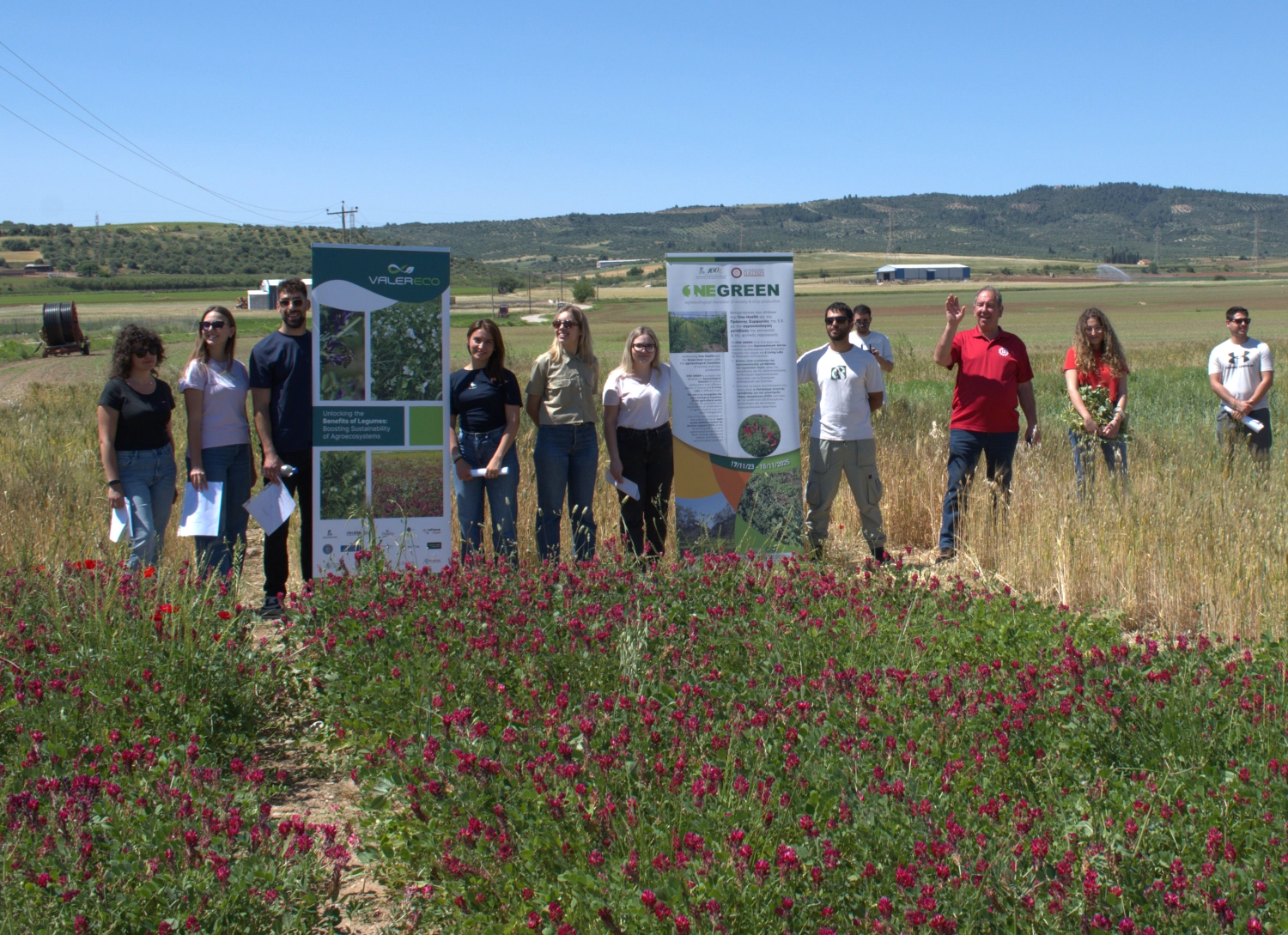
Demonstration & Co-Creation

The Greek LL functions as a multi-actor innovation platform engaging:

  • Local farmers
  • Agricultural advisors
  • Researchers
  • Policy representatives

Co-creation meetings and technical demonstrations ensure that solutions are tailored to regional farming realities. Stakeholders contribute to refining cropping strategies, identifying barriers to adoption, and validating practical feasibility.

The Living Lab also supports knowledge exchange activities that will feed into the Digital Legume Information Hub (DLIH) .

Expected Impact

The Greek Living Lab contributes measurable evidence towards:

  • Reduced dependency on synthetic inputs
  • Improved soil organic matter and microbial activity
  • Enhanced weed management through ecological regulation
  • Increased resilience of Mediterranean farming systems
  • Strengthened economic viability of diversified legume rotations

By combining agronomic experimentation, economic assessment and stakeholder engagement, the Greek LL provides a scalable model for sustainable legume integration in Mediterranean agroecosystems.