Name / Location | Lelystad, The Netherlands |
Lead Partner | |
Agroecological Zone | Temperate Atlantic / Continental transition =?? Temperate Maritime ?? |
Climate Type | Temperate maritime |
Legumes Tested |
|
Cropping System Type | Perennial legume integration in arable rotations |
Agroecological Practices Applied |
|
Living Lab Board Composition | Farmers, advisors, researchers, supply-chain actors and policy representatives (11 members) |
Duration of Field Trials | 3 growing seasons |
Key Ecosystem Services Targeted |
|
The Dutch Living Lab, coordinated by Stichting Wageningen Research, operates in one of Europe’s most intensive agricultural systems. Dutch arable farming is highly productive but strongly dependent on mineral fertilizers and characterized by simplified rotations with emphasis on the cash crops.
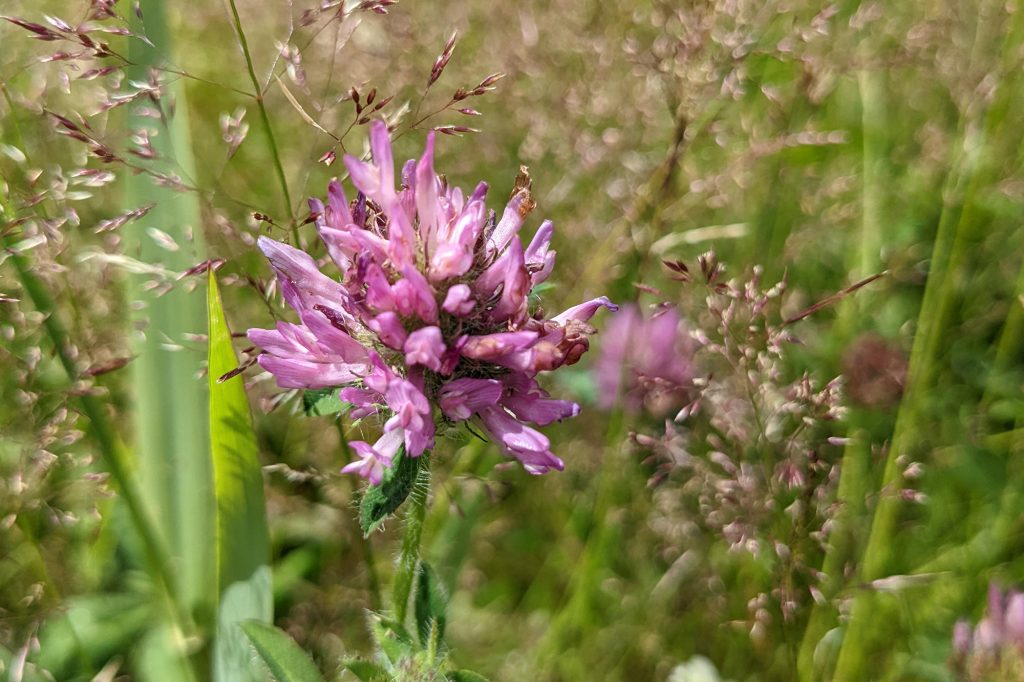
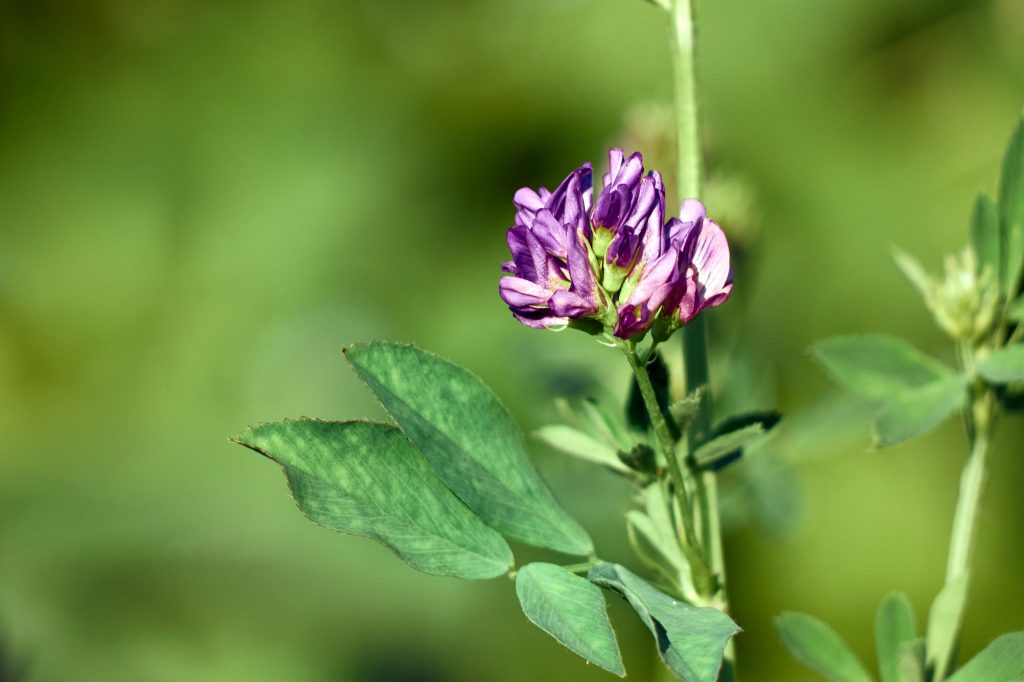
This Living Lab focuses on the integration of perennial forage legumes— lucerne, red clover, and esparcette —into arable crop rotations to enhance soil health and reduce nitrogen inputs. By testing legume mixtures strategies, the Lab demonstrates how perennial legumes can restore ecological functions within high-input systems.
The Dutch LL provides robust data to support CAP nutrient management objectives and contributes directly to EU targets on fertilizer reduction and climate mitigation.
Intensive arable systems in the Netherlands face several systemic pressures:
Agroecological Strategy
The Living Lab integrates perennial legumes into crop rotations through:
This approach strengthens nitrogen cycling and enhances soil structure, reducing the need for synthetic inputs.
Indicative rotation schemes include:
The Dutch Living Lab functions as a collaborative innovation environment involving:
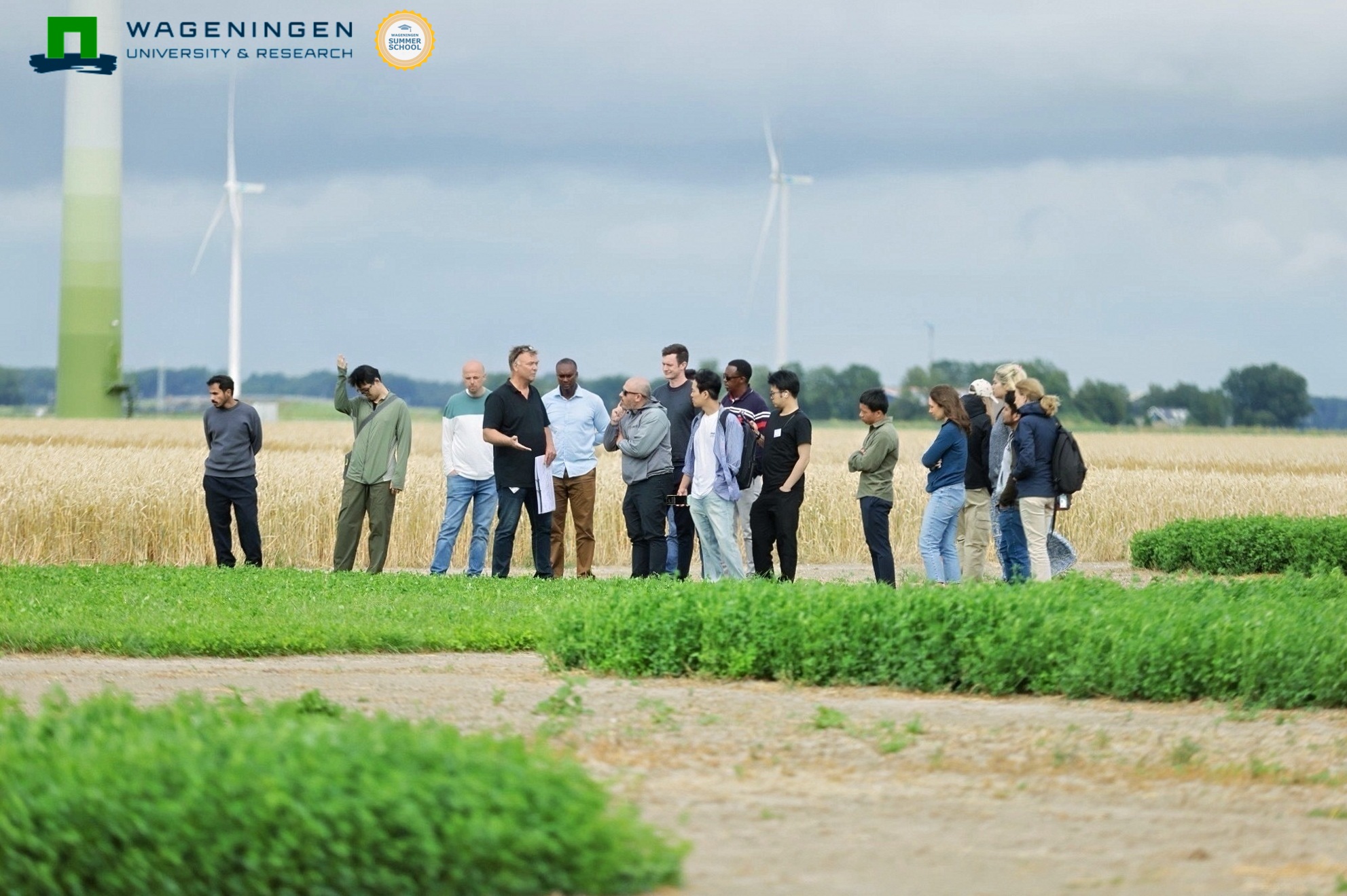
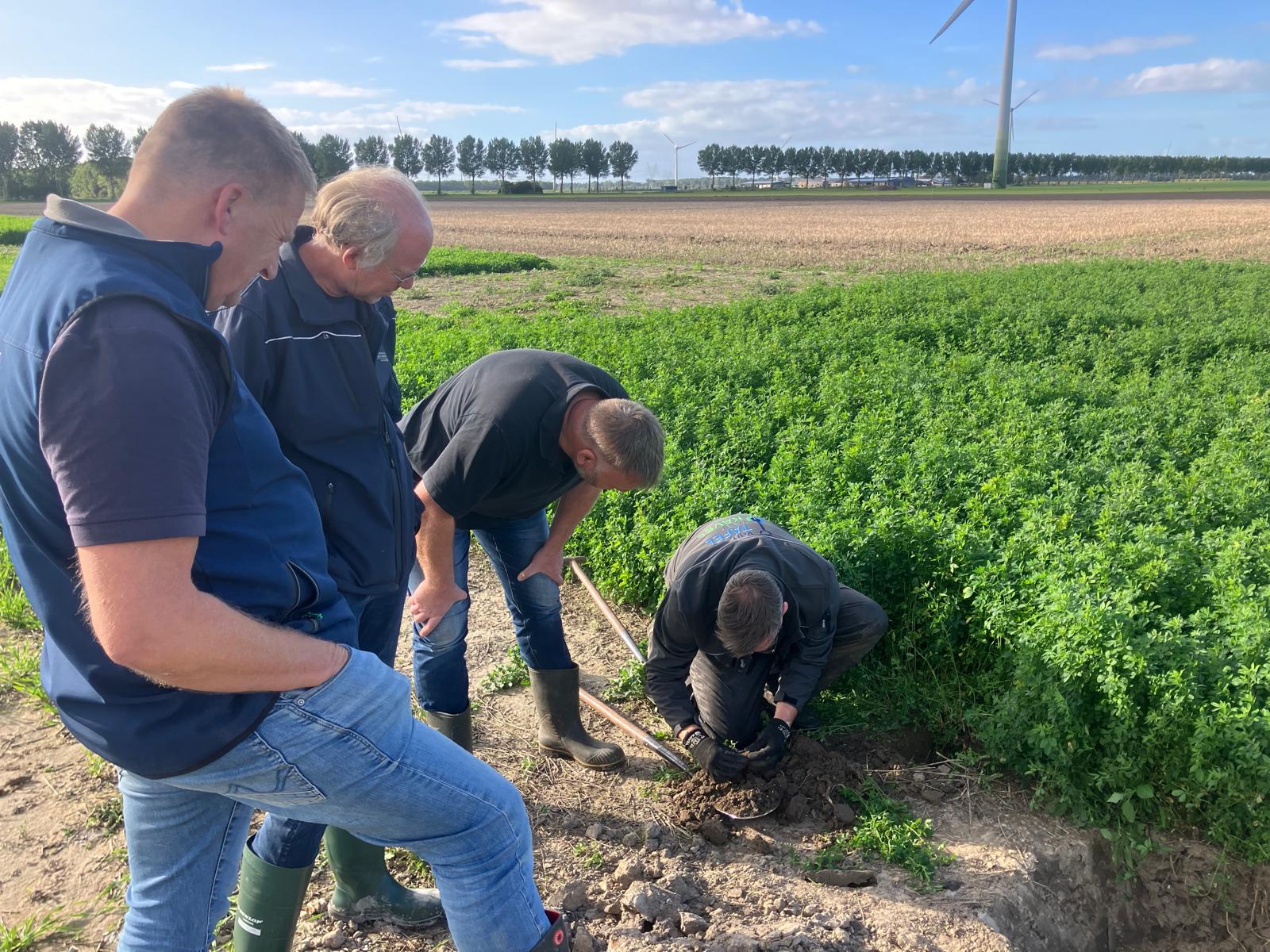
Demonstration of events and technical meetings enables stakeholders to assess the performance of perennial legumes under practical farming conditions.
The data generated feed into:
The Netherlands (WR) Living Lab contributes to: