UNIPI Living Lab - ITALY

Name / Location
Tuscany Region, Italy
Lead Partner
University of Pisa (UNIPI)
UNIPI
Agroecological Zone
Mediterranean
Climate Type
Mediterranean, temperate with dry summers
Legumes Tested
  • Chickpea (Cicer arietinum) – annual grain legume
  • Vetch (Vicia sativa) – annual forage legume
Cropping System Type
Diversified cereal–legume rotations
Agroecological Practices Applied
  • Genotype selection
  • Intercropping
  • Cover cropping
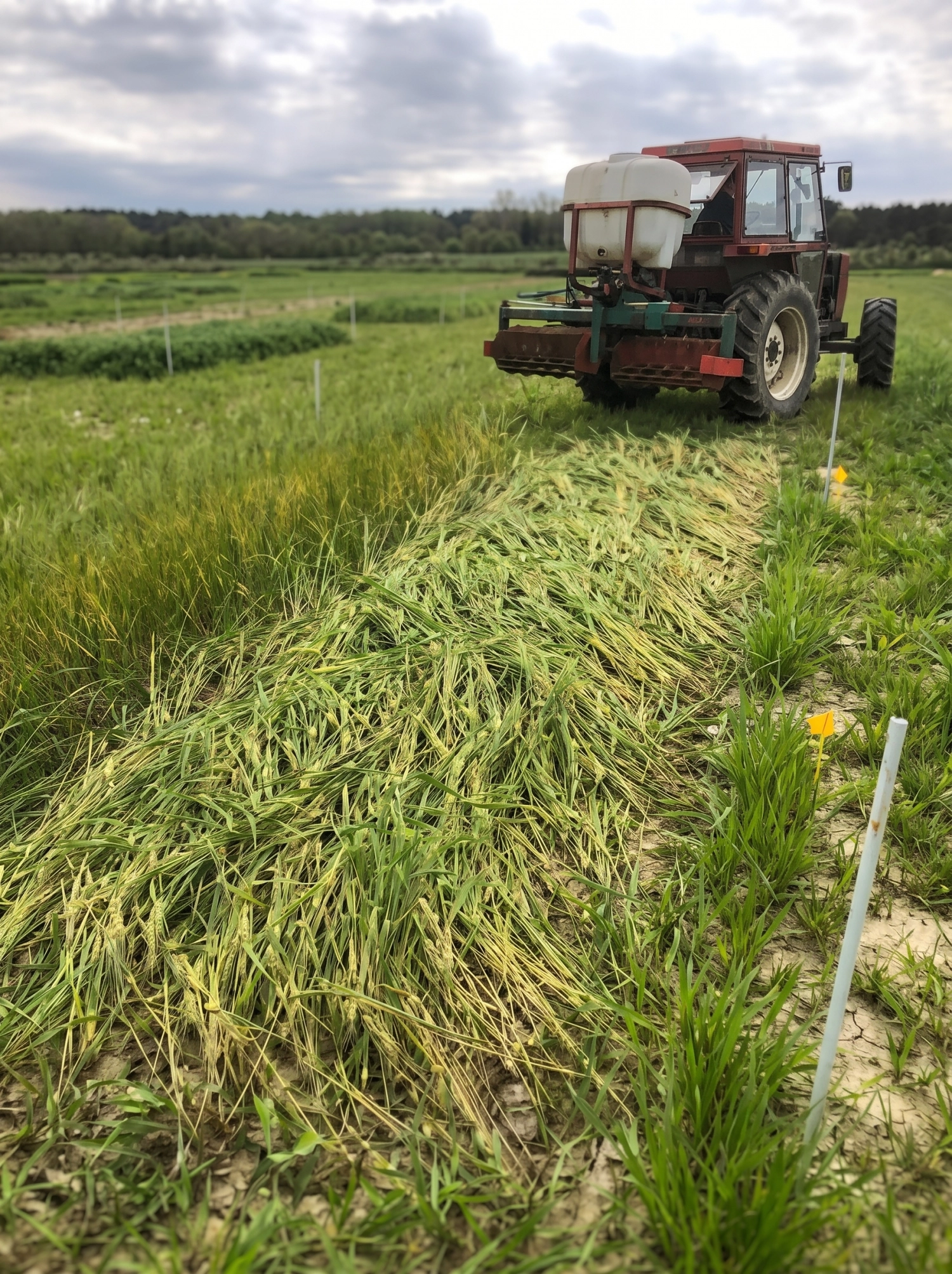
  • Mulching
  • Diversified crop rotations
Living Lab Board Composition
Farmers, agronomic advisors, researchers, regional stakeholders and value-chain actors (10 members)
Duration of Field Trials
3 growing seasons
Key Ecosystem Services Targeted
  • Biological nitrogen fixation
  • Soil organic matter enhancement
  • Weed community regulation
  • Soil biodiversity support
  • Climate adaptation capacity (drought stress condition)

Overview

The Italian Living Lab coordinated by University of Pisa operates in a Mediterranean agricultural landscape characterized by cereal-dominated systems and increasing climate variability.

The Lab focuses on the integration of chickpea and vetch into cereal-based rotations, aiming to enhance soil fertility, biodiversity, and improve agroecosystem resilience. Particular emphasis is placed on the combined use of grain and forage legumes to deliver both provisioning and regulating ecosystem services.

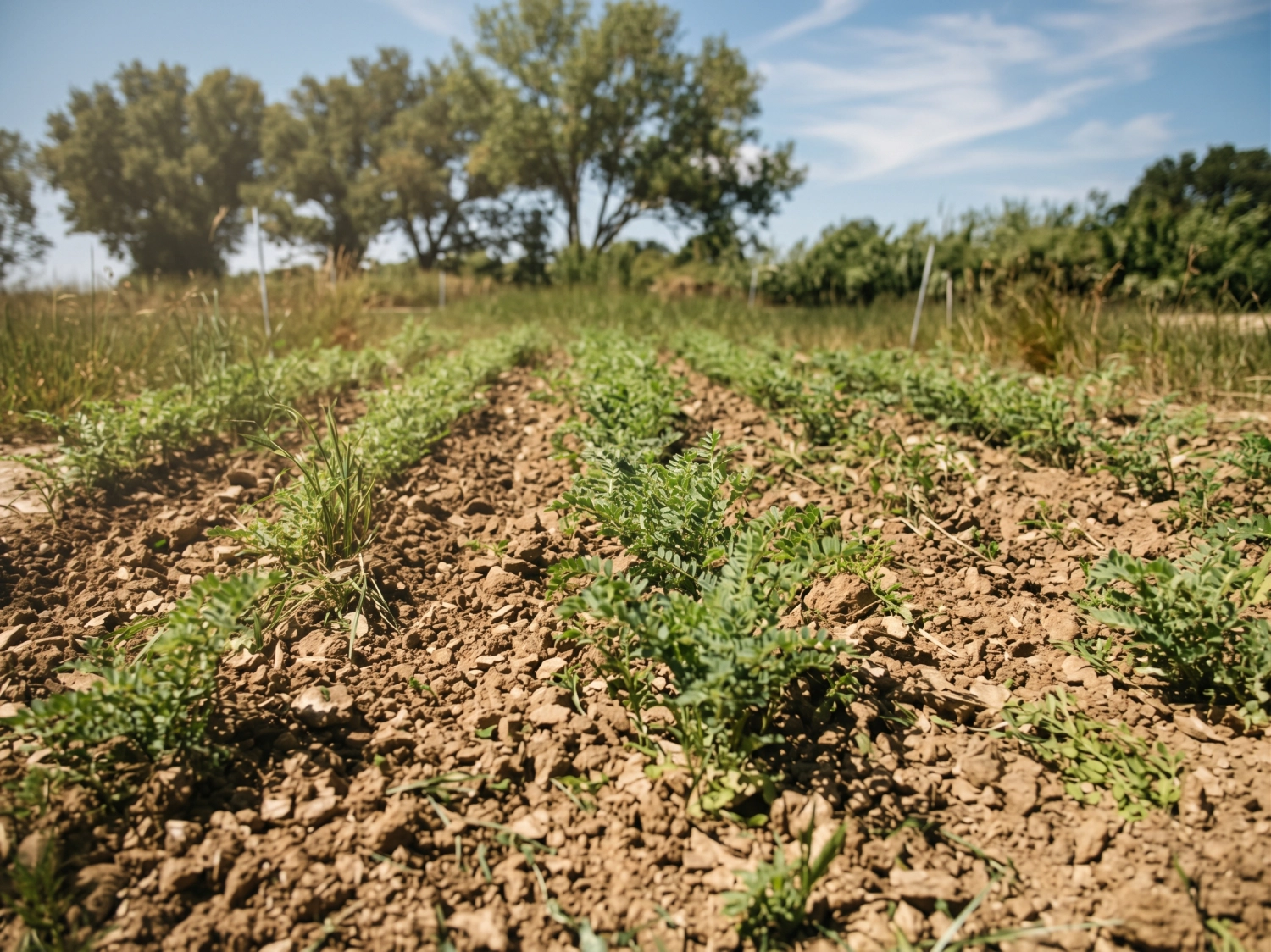
Through an on-station participatory trial involving structured stakeholder engagement, the Living Lab generates field-based evidence to support diversified, legume-inclusive systems aligned with CAP eco-schemes and fertilizer reduction targets.

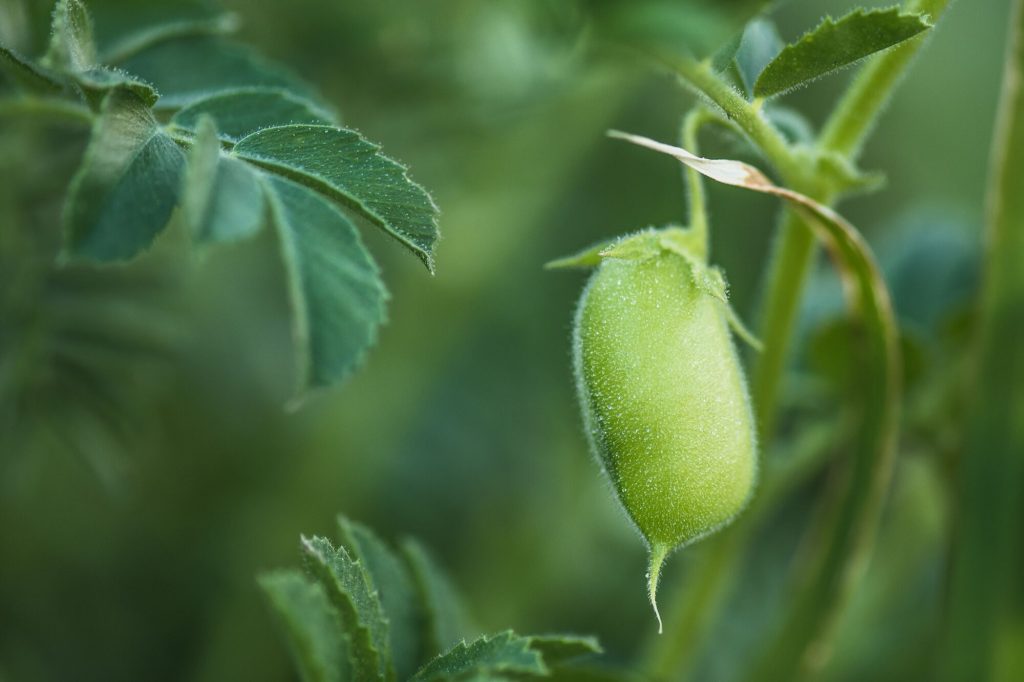
Chickpea (Cicer arietinum)
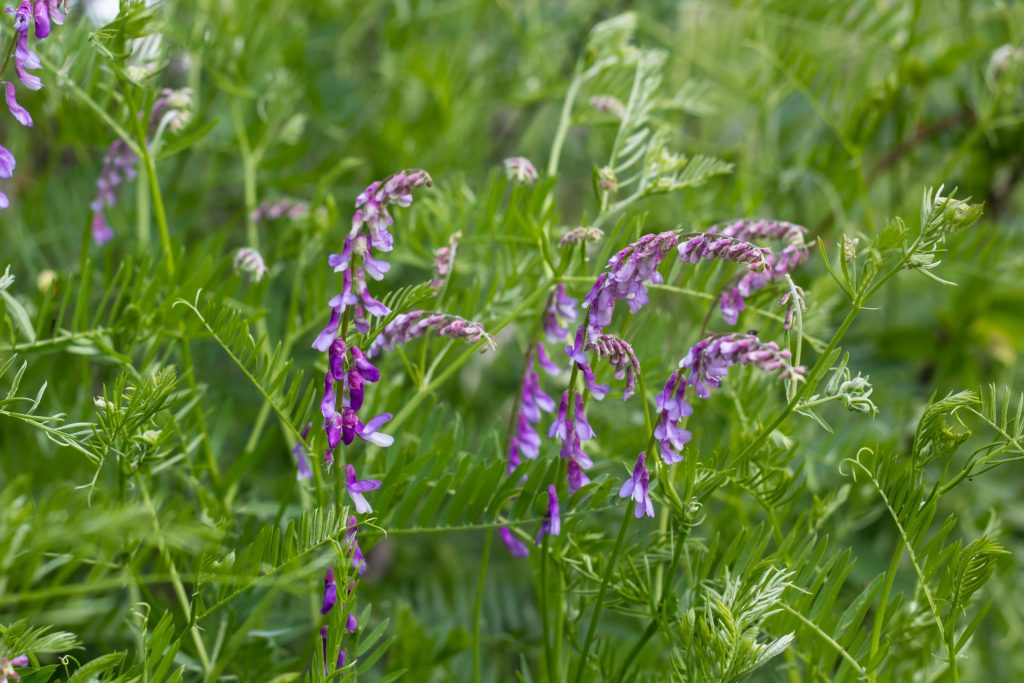
Vetch (Vicia sativa)

Main Challenges

Agricultural systems in central Italy face a series of interconnected challenges:

  • Soil fertility decline and reduced organic matter
  • Increased weed pressure in simplified cereal rotations
  • Dependence on external nitrogen inputs
  • Yield instability under drought-prone conditions
  • Limited integration of cover crops and forage legumes

These constraints limit ecological processes and economic sustainability, especially under climate change.

Legume-Based Response

Agroecological Strategy

The UNIPI Living Lab applies a diversification model integrating:

  • Grain legumes (chickpea) for marketable production
  • Forage legumes (vetch) for forage production and as cover crop use
  • Crop rotation redesign combining cereals and legumes
  • Continuous soil-covering strategies through cover crop green manuring, mulching and overseeding

This integrated approach enhances nitrogen cycling (thanks to nitrogen fixation), supports soil microbial communities and improves weed regulation.

Cropping Systems Demonstrated

Indicative rotation scheme:

  • Vetch → Wheat → Chickpea

The Living Lab evaluates:

  • Nitrogen fixation performance
  • Yield and grain quality
  • Weed suppression efficiency
  • Soil biological indicators
  • Climate resilience under Mediterranean drought conditions

Field assessments include biometric indicators, soil analyses and biodiversity monitoring to quantify ecosystem service delivery.

Demonstration & Co-Creation

The UNIPI Living Lab functions as a regional innovation platform engaging:

  • Farmers experimenting with diversified rotations
  • Advisors supporting agroecological transition
  • Researchers conducting agronomic and ecological assessments
  • Stakeholders from local value chains

Technical meetings and field demonstrations facilitate knowledge exchange and validation of practical feasibility. Stakeholder feedback contributes to refining rotation design and identifying barriers to adoption.

The results feed directly into:

  • Cost–benefit analyses
  • Life Cycle Assessments
  • The Decision Support System (DSS)
  • The Digital Legume Information Hub (DLIH)

Expected Impact

The Italian (UNIPI) Living Lab contributes to:

  • Reduced mineral nitrogen fertilizer dependency
  • Increased soil organic matter and biological activity
  • Improved weed management through ecological regulation
  • Enhanced resilience of cereal-based Mediterranean systems
  • Strengthened economic sustainability of legume-inclusive rotations

By combining grain and forage legumes within diversified systems, the Living Lab demonstrates scalable solutions for sustainable intensification aligned with EU biodiversity and climate targets.